A Guide to Testing and Measurement Equipment
Testing and measurement equipment refers to tools and devices used to check, analyze, and quantify physical, electrical, and mechanical properties. These instruments help people understand how systems perform under different conditions and whether they meet expected standards. From simple rulers and thermometers to advanced oscilloscopes and spectrum analyzers, testing and measurement equipment plays a key role in many fields.
The concept of measurement has existed for centuries, beginning with basic tools for length, weight, and time. As science and engineering developed, the need for more precise and reliable instruments grew. This led to the creation of modern testing and measurement equipment that can capture detailed data and support complex systems such as electronics, communication networks, and manufacturing processes.
Today, these tools are used across industries including healthcare, construction, education, automotive, and telecommunications. Even in daily life, devices like digital thermometers, electricity meters, and pressure gauges are forms of measurement tools that people rely on without always recognizing them as such.
Importance
Testing and measurement equipment is essential because it ensures accuracy, safety, and consistency in various activities. Without proper measurement, it becomes difficult to verify whether systems function correctly or meet required standards.
In everyday contexts, accurate measurement helps maintain safety. For example, in homes, electrical testing tools can detect faults in wiring, while temperature sensors help regulate heating and cooling systems. In healthcare, measurement devices monitor vital signs such as heart rate and blood pressure, supporting basic health tracking.
In industrial and technical environments, these tools address challenges such as quality control and system reliability. Engineers use testing and measurement equipment to check whether products meet design specifications. If a machine part does not perform as expected, measurement tools help identify the issue before it leads to larger problems.
The importance of these tools can also be seen in environmental monitoring. Devices measure air quality, water purity, and noise levels, helping authorities understand environmental conditions and make informed decisions. Without accurate data, it would be difficult to track changes or identify risks.
Recent Updates
In recent years, testing and measurement equipment has evolved alongside digital technology. One noticeable trend is the integration of smart features into measurement devices. Many modern instruments now connect to computers or mobile applications, allowing users to store, analyze, and share data more easily.
Another development is the increased use of automation. Automated testing systems can perform repeated measurements without manual intervention. This reduces human error and improves consistency, especially in manufacturing and research environments.
Wireless and portable devices have also become more common. Compact measurement tools are now designed for field use, enabling technicians to carry them easily and conduct tests in different locations. This shift supports flexibility and efficiency in industries such as construction and maintenance.
Artificial intelligence and data analytics are gradually influencing testing and measurement equipment as well. Some systems can analyze patterns in collected data and highlight unusual results. This helps users identify potential issues earlier and understand trends over time.
Overall, the general trend shows a move toward more connected, user-friendly, and data-driven measurement solutions.
Laws or Policies
Testing and measurement equipment is often regulated to ensure accuracy, reliability, and safety. Governments and regulatory bodies establish standards that define how measurement tools should perform and how they should be calibrated.
In many countries, national standards organizations set guidelines for measurement units and calibration procedures. These standards ensure that measurements are consistent across different locations and industries. For example, electrical testing equipment must meet specific safety requirements to prevent hazards during use.
Calibration policies are also important. Instruments need regular calibration to maintain accuracy. Regulatory frameworks may require periodic checks and documentation, especially in industries such as healthcare, manufacturing, and energy.
Environmental and safety regulations also influence the use of measurement tools. Devices used for monitoring emissions or pollution must comply with defined limits and reporting standards. Similarly, equipment used in workplaces must meet safety guidelines to protect users from electrical or mechanical risks.
These policies help maintain trust in measurement results and support fair practices in trade, manufacturing, and scientific research.
Tools and Resources
There are many types of testing and measurement equipment, each designed for specific purposes. Understanding these tools helps users choose the right instrument for their needs.
Common Types of Equipment
Some widely used tools include:
- Multimeters: measure voltage, current, and resistance in electrical systems
- Oscilloscopes: display electrical signals as waveforms for detailed analysis
- Thermometers: measure temperature in various environments
- Pressure gauges: monitor pressure in liquids and gases
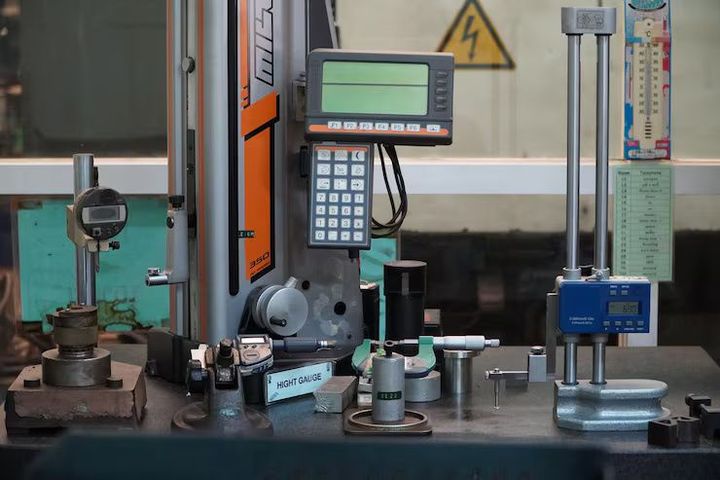
- Calipers and micrometers: measure dimensions with high precision
Digital and Software-Based Tools
Modern measurement systems often include software for data analysis. These tools help users record measurements, generate reports, and visualize trends. Simulation software is also used to test systems virtually before physical measurement takes place.
Calibration Resources
Calibration ensures that instruments provide accurate readings. Laboratories and standard reference materials are used to compare and adjust measurement tools. Many organizations publish guidelines and manuals that explain calibration procedures in simple terms.
Example Data Table
Below is a simple comparison of common testing and measurement equipment and their typical uses:
| Equipment Type | What It Measures | Common Use Area |
|---|---|---|
| Multimeter | Voltage, current | Electrical maintenance |
| Thermometer | Temperature | Healthcare, home use |
| Oscilloscope | Signal waveforms | Electronics and engineering |
| Pressure Gauge | Pressure levels | Industrial systems |
| Caliper | Length and thickness | Manufacturing and design |
This table highlights how different tools serve specific measurement needs across various fields.
FAQs
What is testing and measurement equipment used for?
Testing and measurement equipment is used to check, analyze, and record physical or electrical values such as temperature, voltage, pressure, and dimensions. It helps ensure systems operate correctly and safely.
How does testing and measurement equipment improve accuracy?
These tools provide precise readings that reduce guesswork. Regular calibration and proper usage help maintain accuracy, allowing users to rely on consistent and dependable results.
What are common examples of testing and measurement equipment?
Common examples include multimeters, thermometers, oscilloscopes, pressure gauges, and measuring calipers. Each tool is designed to measure specific properties.
Why is calibration important in measurement tools?
Calibration ensures that measurement tools produce correct readings. Over time, instruments may drift from their original accuracy, so calibration helps align them with known standards.
Can testing and measurement equipment be used at home?
Yes, many basic tools such as thermometers, electricity testers, and measuring tapes are used in homes. More advanced equipment is typically used in professional or industrial settings.
Conclusion
Testing and measurement equipment plays a fundamental role in understanding and controlling the world around us. It supports accuracy, safety, and quality across many industries and everyday activities. Advances in digital technology continue to improve how these tools function and how data is analyzed. Regulations and standards ensure reliability and consistency in measurement practices. Overall, these tools remain essential for both simple tasks and complex systems.