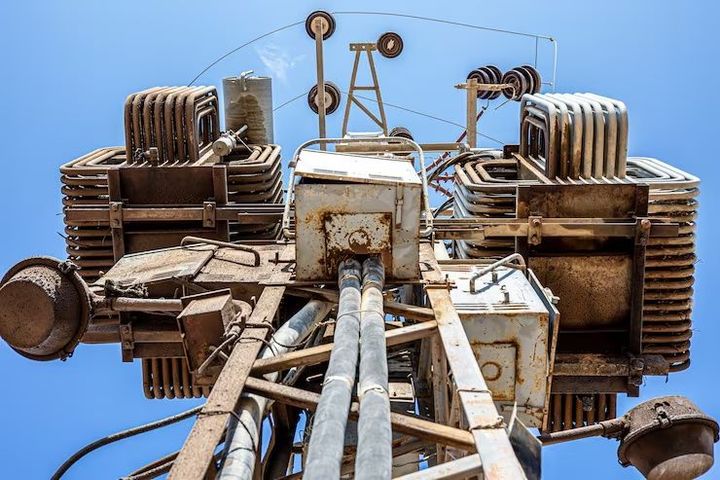
Guide to Industrial Power Transformers: Types, Uses, and Benefits
Industrial power transformers are essential components of modern electrical systems. They are used to transfer electrical energy between circuits by adjusting voltage levels, making electricity suitable for transmission and use in homes, factories, and infrastructure. These devices operate on the principle of electromagnetic induction, where energy moves between coils through a magnetic field.
The concept of transformers dates back to the late 19th century, when electrical distribution systems were first developed. As electricity networks expanded, the need to transmit power efficiently over long distances led to the development of industrial power transformers. Today, they are widely used in power plants, substations, and industrial facilities to manage voltage levels safely and efficiently.
Understanding industrial power transformers, their types, uses, and benefits helps provide a clearer picture of how electricity reaches everyday environments. Even though they often operate behind the scenes, their role is central to maintaining stable and reliable power systems.
Importance
Industrial power transformers play a key role in ensuring that electricity can be transmitted over long distances without excessive energy loss. High voltage transmission reduces losses, while transformers adjust the voltage to safer levels for consumption. Without these systems, large-scale power distribution would be inefficient and unreliable.
These transformers affect a wide range of sectors, including manufacturing, transportation, healthcare, and residential infrastructure. For example, factories rely on stable voltage levels to operate machinery, while hospitals depend on consistent power for critical equipment.
They also help address several practical challenges. One challenge is voltage fluctuation, which can damage equipment. Another is energy efficiency, as power losses during transmission can impact both supply and sustainability goals. Industrial power transformers help regulate voltage and improve efficiency, contributing to smoother operation across different sectors.
Recent Updates
In recent years, the field of industrial power transformers has seen gradual advancements driven by energy demand and environmental considerations. One key trend is the integration of smart monitoring systems. These systems use sensors and data analytics to track transformer performance, helping identify potential issues early.
Another development is the use of eco-friendly insulating materials. Traditional transformer oils are being supplemented or replaced with alternatives that have lower environmental impact. This shift aligns with broader sustainability efforts in the energy sector.
There is also increased focus on compact transformer designs. As urban areas grow, space constraints have encouraged the development of smaller, more efficient units that can be installed in limited spaces without compromising performance.
Digitalization is another ongoing trend. Utilities and industries are increasingly adopting digital tools to monitor and manage transformer networks remotely, improving maintenance planning and operational reliability.
Laws or Policies
Industrial power transformers are subject to various regulations that ensure safety, efficiency, and environmental compliance. In India, organizations such as the Bureau of Indian Standards (BIS) establish technical specifications and performance guidelines for electrical equipment, including transformers.
Energy efficiency standards are also influenced by programs that aim to reduce power losses in transmission and distribution systems. These initiatives encourage the adoption of efficient transformer designs and materials.
Environmental regulations address issues such as oil handling and disposal. Transformers that use insulating oil must comply with guidelines to prevent leaks and environmental contamination. Additionally, electrical safety rules define installation practices, maintenance procedures, and operational limits.
International standards, such as those from the International Electrotechnical Commission (IEC), are also widely referenced. These standards help ensure compatibility and safety across global markets.
Tools and Resources
Various tools and resources are available to help understand and manage industrial power transformers more effectively. These tools are often used by engineers, technicians, and planners.
Some commonly used resources include:
- Transformer calculators, which help estimate parameters such as voltage ratios, efficiency, and load capacity
- Simulation software, which models transformer performance under different conditions
- Monitoring systems, which track temperature, load, and insulation health in real time
- Technical documentation platforms, which provide standards, manuals, and guidelines for transformer operation
- Training modules and educational platforms, which explain transformer principles and maintenance practices
These resources support better planning, operation, and maintenance of industrial power transformers across various applications.
Types, Uses, and Benefits
Types of Industrial Power Transformers
Industrial power transformers come in different types based on their function and design. Common types include step-up transformers, which increase voltage for long-distance transmission, and step-down transformers, which reduce voltage for safe use in homes and industries.
Other types include distribution transformers, used in local power networks, and isolation transformers, which separate circuits for safety purposes. There are also dry-type transformers, which use air instead of oil for insulation, and oil-filled transformers, which rely on insulating oil for cooling and protection.
Uses in Different Sectors
Industrial power transformers are used across many sectors. In power generation, they help transmit electricity from power plants to substations. In manufacturing, they ensure that machinery receives stable voltage. In transportation systems such as railways, transformers support electrified tracks and signaling systems.
They are also used in renewable energy systems. For example, wind and solar installations use transformers to integrate generated power into the grid. This helps balance supply and demand across the network.
Benefits of Industrial Power Transformers
The use of industrial power transformers provides several practical advantages. These include improved energy efficiency, safer voltage levels, and enhanced reliability of electrical systems.
Below is a simple overview:
| Feature | Explanation |
|---|---|
| Voltage regulation | Adjusts voltage levels to match different applications |
| Energy efficiency | Reduces power loss during transmission |
| Safety support | Helps prevent electrical overload and equipment damage |
| Flexibility | Supports a wide range of applications across industries |
| Reliability | Contributes to stable and continuous power supply |
These benefits highlight why industrial power transformers remain a fundamental part of modern energy infrastructure.
FAQs
What are industrial power transformers used for?
Industrial power transformers are used to transfer electrical energy between circuits while adjusting voltage levels. They are commonly found in power plants, substations, and industrial facilities.
What are the main types of industrial power transformers?
Common types include step-up transformers, step-down transformers, distribution transformers, isolation transformers, dry-type transformers, and oil-filled transformers. Each type serves a specific role in power systems.
How do industrial power transformers improve efficiency?
Industrial power transformers improve efficiency by allowing electricity to be transmitted at higher voltages, which reduces energy loss over long distances. They then lower the voltage for safe use.
Are industrial power transformers safe to use?
Yes, industrial power transformers are designed with safety features such as insulation systems and protective devices. They must also comply with established safety standards and regulations.
Where are industrial power transformers commonly installed?
They are typically installed in power generation stations, substations, manufacturing plants, commercial facilities, and renewable energy systems.
Conclusion
Industrial power transformers are essential for the efficient transmission and distribution of electricity. They help regulate voltage, reduce energy loss, and support reliable power systems across different sectors. With ongoing advancements in monitoring and design, these transformers continue to adapt to modern energy needs. Understanding their types, uses, and benefits provides valuable insight into how electrical infrastructure functions in everyday life.