Warehouse Automation Explained: Technologies, Systems, Processes and Operational Benefits
Warehouse automation refers to the use of machinery, software, robotics, sensors, and control systems to perform or support activities that were traditionally completed manually. It can be applied to receiving, storage, inventory movement, order picking, packing, sorting, and dispatch operations.
Context
The development of warehouse automation is closely connected with the growth of modern distribution networks. As warehouses began handling larger product ranges and higher order volumes, businesses introduced mechanical handling equipment and later computerized systems to organize material movement and inventory information.
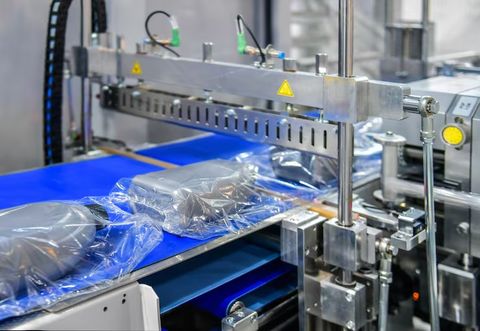
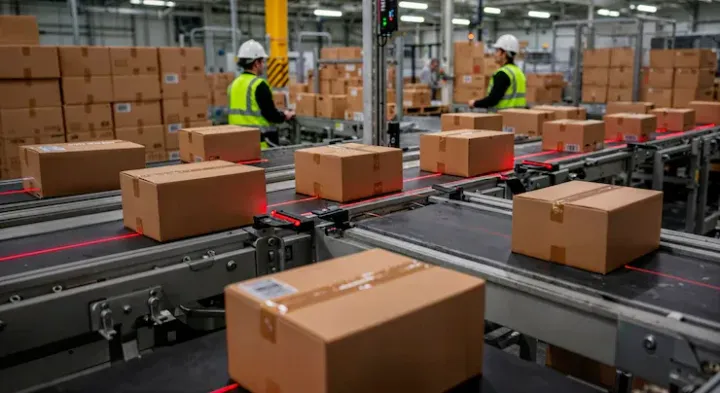
Modern warehouse automation can range from relatively simple conveyor systems to highly integrated facilities containing automated storage and retrieval systems, autonomous mobile robots, robotic picking equipment, barcode scanners, radio-frequency identification systems, and warehouse management software.
Automation does not necessarily mean that every warehouse activity is performed by a robot. Many systems combine automated equipment with human workers, with software coordinating activities and people handling tasks that require judgment, exception management, inspection, or physical intervention.
Main components of warehouse automation
A warehouse automation system generally combines several technologies rather than operating as one independent machine. Common components include:
- Conveyors for moving cartons, totes, pallets, or other loads
- Automated storage and retrieval systems for storing and retrieving inventory
- Autonomous mobile robots for transporting materials
- Automated guided vehicles for defined transportation routes
- Barcode and RFID systems for identification and tracking
- Warehouse management systems for inventory and workflow coordination
- Sensors and control systems for monitoring equipment and movement
The combination depends on the building layout, inventory characteristics, order patterns, storage requirements, and operational processes.
Importance
Warehouses connect manufacturing, distribution, transportation, retail, and other parts of the supply chain. When inventory is stored across many locations and orders must be processed continuously, manual processes can become difficult to coordinate.
Warehouse automation addresses several operational challenges, including repetitive material movement, inventory identification, storage density, order sequencing, and information flow. It can also help organizations collect more consistent operational data.
Where automation is used
Automation can be introduced at different stages of a warehouse process.
Receiving may involve barcode scanning, dimension measurement, automated unloading equipment, and conveyor systems. Storage can use automated storage and retrieval systems or robotic transport equipment. During order fulfillment, software can coordinate picking sequences, while conveyors and sortation equipment move items between work areas.
The following table shows examples of technologies and their typical applications:
| Technology | Typical warehouse application | Main function |
|---|---|---|
| Conveyor system | Internal transportation | Moves loads between locations |
| AS/RS | Storage and retrieval | Automates placement and retrieval |
| AMR | Material transportation | Moves goods between work areas |
| AGV | Repetitive transportation | Follows defined routes |
| Barcode scanner | Identification | Records item and location information |
| RFID | Identification and tracking | Detects tagged items |
| Sortation system | Order processing | Directs items to destinations |
| WMS | Warehouse coordination | Manages inventory and workflows |
Operational benefits
The effects of automation depend on the system design and how it is integrated with existing processes. Potential operational benefits can include more consistent material movement, improved inventory visibility, reduced manual travel, better use of storage space, and more structured workflow management.
Automation can also produce operational information that helps managers examine throughput, equipment utilization, inventory movements, order patterns, and process interruptions.
These benefits should not be viewed as automatic outcomes. Equipment selection, facility design, maintenance, software integration, worker training, and process planning all influence actual results.
Recent Updates
Warehouse automation has continued to develop rapidly between 2024 and 2026, particularly through the combination of robotics, artificial intelligence, computer vision, cloud software, and improved sensor technology.
One notable trend is the wider use of autonomous mobile robots. Instead of following fixed physical tracks, many modern mobile robots can navigate defined warehouse environments using sensors and software. They can transport shelves, totes, pallets, or individual items depending on the system design.
Artificial intelligence and computer vision
Artificial intelligence is increasingly being incorporated into warehouse systems for tasks such as object recognition, inventory analysis, route planning, demand forecasting, and equipment monitoring.
Computer vision can help automated systems identify packages, read labels, measure dimensions, and detect certain physical characteristics. These technologies can reduce the amount of manual data entry required in some workflows, although their effectiveness depends on lighting, camera placement, item characteristics, software configuration, and other operating conditions.
More flexible automation
Another trend is modular automation. Rather than designing an entire warehouse around one highly integrated system, some facilities are adopting technologies that can be introduced or expanded in stages.
Robotic picking, mobile robots, automated sortation, and software platforms can be combined according to specific workflow requirements. This approach can be useful when inventory patterns, product ranges, or order volumes change over time.
Digital warehouse management
Warehouse management systems are also becoming more closely connected with automation equipment. A WMS can coordinate inventory records and warehouse activities, while a warehouse control system can manage the movement of automated equipment.
This integration creates a flow of information between inventory records, orders, machines, and workers. Data from these systems can be used to identify bottlenecks and examine process performance.
Laws or Policies
Warehouse automation is influenced by occupational safety, machinery safety, electrical requirements, data protection, transportation regulations, and other rules that vary according to jurisdiction and application.
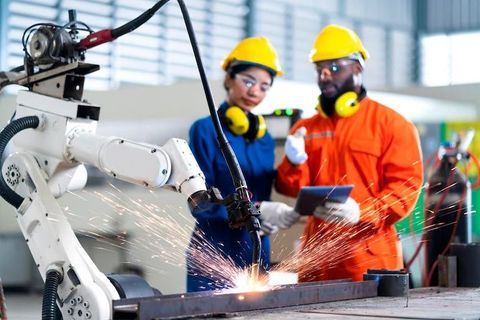
Automated equipment can introduce hazards involving moving machinery, vehicles, conveyors, robotic arms, stored loads, electrical systems, and interactions between people and machines. Facilities therefore need to consider applicable workplace safety requirements when designing and operating automated systems.
Safety and worker interaction
Common safety considerations include:
- Physical guarding around hazardous moving equipment
- Emergency-stop systems
- Clearly defined pedestrian and equipment routes
- Warning systems
- Safe access for inspection and maintenance
- Risk assessment for automated machinery
- Appropriate worker training
Robotic systems require particular attention when people and machines operate within the same area. Sensors, protective systems, operating procedures, and restricted zones may be used to manage interaction risks.
Warehouses may also handle personal or commercially sensitive information through inventory systems, employee records, order databases, cameras, and tracking technologies. Applicable privacy and data-protection requirements should therefore be considered when implementing connected warehouse systems.
Regulatory requirements vary significantly by location and type of equipment. Organizations should refer to the applicable national, regional, and workplace authorities when designing or modifying an automated warehouse.
Tools and Resources
Warehouse automation planning involves more than selecting individual machines. Several analytical and software tools can help organizations understand processes and evaluate system requirements.
Warehouse management systems
A warehouse management system records inventory locations, movements, receiving activities, picking tasks, and other warehouse processes. It can provide the information layer that connects inventory operations with automation equipment.
Warehouse control systems
A warehouse control system can coordinate automated equipment such as conveyors, sorters, robotic systems, and automated storage equipment. It often operates between the warehouse management software and physical machinery.
Simulation software
Warehouse simulation tools can model layouts, material flows, storage capacity, order patterns, and equipment movement. Simulation can help identify potential bottlenecks before physical changes are made.
Performance measurements
Common warehouse measurements include:
- Orders processed during a defined period
- Inventory accuracy
- Picking accuracy
- Equipment utilization
- Travel distance
- Storage utilization
- Throughput
- Order processing time
- Equipment downtime
These measurements provide a structured way to examine warehouse processes. They should be interpreted according to the type of facility and its operating objectives.
Integration resources
Technical documentation, equipment manuals, system specifications, facility drawings, process maps, and maintenance records can also support automation planning. Standardized data about item dimensions, weights, packaging, storage locations, and order patterns can be particularly important when evaluating automated equipment.
FAQs
What is warehouse automation?
Warehouse automation is the use of machinery, robotics, software, sensors, and control systems to automate or support warehouse activities such as storage, transportation, picking, sorting, and inventory management.
What are the main warehouse automation technologies?
Common warehouse automation technologies include conveyors, automated storage and retrieval systems, autonomous mobile robots, automated guided vehicles, barcode and RFID systems, robotic picking equipment, sortation systems, and warehouse management software.
How does a warehouse management system support automation?
A warehouse management system manages inventory information and coordinates warehouse activities. It can communicate with warehouse control systems and other technologies so that inventory records and physical warehouse movements remain connected.
What are the operational benefits of warehouse automation?
Potential benefits include more consistent material movement, reduced manual travel, improved inventory visibility, structured workflows, and better access to operational data. Actual results depend on system design, facility conditions, integration, maintenance, and operating practices.
Is warehouse automation fully robotic?
No. Warehouse automation does not necessarily remove people from warehouse operations. Many facilities use a combination of automated equipment and workers, with people performing activities such as supervision, exception handling, quality checks, maintenance, planning, and other tasks that require human judgment.
Conclusion
Warehouse automation combines physical equipment, software, sensors, robotics, and data systems to support activities throughout the warehouse process. Technologies such as conveyors, automated storage and retrieval systems, autonomous mobile robots, barcode systems, and warehouse management software can address different operational requirements. Recent developments have increased the use of artificial intelligence, computer vision, connected systems, and flexible robotic equipment. The effectiveness and safety of an automated warehouse depend on appropriate system design, integration, operating procedures, maintenance, and compliance with applicable requirements.