Teeth Whitening Insights: Methods, Treatment Options, Safety Factors and Aftercare Tips
Teeth whitening refers to methods used to make natural teeth appear lighter by removing surface stains or changing the color of tooth structure. The process has become a common part of cosmetic dental care, with options ranging from whitening toothpaste and strips to dentist-supervised trays and in-office bleaching.
Context
Tooth discoloration can develop for several reasons. Surface stains may be associated with foods, beverages, tobacco exposure, or changes in oral hygiene, while deeper discoloration can be related to aging, tooth development, injury, or changes within the tooth. The type and location of discoloration influence which approach may be appropriate.
Most chemical whitening methods use hydrogen peroxide or carbamide peroxide. These substances can move through tooth structure and interact with colored compounds, producing a lighter appearance. Whitening toothpaste works somewhat differently, with many formulations relying mainly on mild abrasives to remove surface stains.
Surface and internal discoloration
Surface discoloration, sometimes called extrinsic staining, occurs mainly on the outer tooth surface. Internal or intrinsic discoloration develops within enamel or dentin and can have different causes.
This distinction matters because ordinary stain removal may have limited effects on discoloration originating deeper inside the tooth. Some types of discoloration may also respond differently to bleaching treatments.
Natural teeth and dental restorations
Whitening treatments generally affect natural tooth structure rather than tooth-colored restorations. Crowns, veneers, fillings, bridges, and similar materials may not change shade in the same way as natural teeth.
As a result, whitening can sometimes make an existing restoration more noticeable if its original shade no longer matches the surrounding natural teeth.
Importance
Teeth whitening matters because tooth color can change gradually as people age and as stains accumulate. Many adults encounter discoloration without having an underlying dental disease, while others may have changes that require assessment before cosmetic treatment is considered.
The main challenge is distinguishing ordinary surface staining from discoloration associated with cavities, damaged teeth, enamel changes, gum problems, or other dental conditions. Whitening products are not intended to correct every cause of tooth discoloration.
Common whitening methods
Several approaches are available, and they differ in application, active ingredients, and level of professional supervision.
- Whitening toothpaste primarily uses mild abrasives to remove some surface stains. Some formulations also contain peroxide.
- Whitening strips generally use a peroxide-containing material placed against the teeth for a specified period.
- Paint-on gels apply whitening material directly to tooth surfaces.
- Dentist-supervised trays use a fitted tray with whitening gel for home application.
- In-office bleaching uses a higher-concentration whitening formulation under professional supervision.
- Internal bleaching is a specialized approach used for selected non-vital discolored teeth and differs from ordinary external whitening.
| Method | Main approach | Typical consideration |
|---|---|---|
| Whitening toothpaste | Surface stain removal, sometimes peroxide | Primarily addresses external stains |
| Whitening strips | Peroxide-containing strip | Home application |
| Paint-on gel | Gel applied directly to teeth | Application technique matters |
| Custom tray | Gel held against teeth in a fitted tray | Usually supervised by a dental professional |
| In-office bleaching | Concentrated whitening gel | Professional application |
| Internal bleaching | Material placed within a selected tooth | Used for specific non-vital teeth |
Safety factors
Tooth sensitivity and gum irritation are among the more frequently reported effects of peroxide-based whitening. Sensitivity can be influenced by peroxide concentration, exposure time, individual susceptibility, and the condition of the teeth before treatment.
People with existing tooth sensitivity, untreated dental problems, cracks, or gum concerns may need an assessment before whitening. A dental examination can also help determine whether the discoloration has an underlying cause that should be addressed separately.
Overuse is another consideration. Repeated or prolonged exposure to whitening products can increase the likelihood of sensitivity and irritation, so treatment directions and exposure limits matter.
Recent Updates
Research published during 2024–2026 has continued to examine how whitening effectiveness relates to peroxide concentration, treatment duration, sensitivity, and different application methods.
A 2024 systematic review and network meta-analysis examined over-the-counter bleaching protocols and found evidence of short-term whitening effects, while also noting that the overall evidence quality was limited. Tooth sensitivity and gum irritation remain important considerations when evaluating these products.
Another 2024 systematic review examined shortened exposure times for at-home bleaching gels. The analysis found that shorter exposure reduced sensitivity events, although some measures of color change were greater when products were used for the manufacturer's specified period. This supports the importance of following product directions rather than arbitrarily changing treatment duration.
Changes in professional whitening research
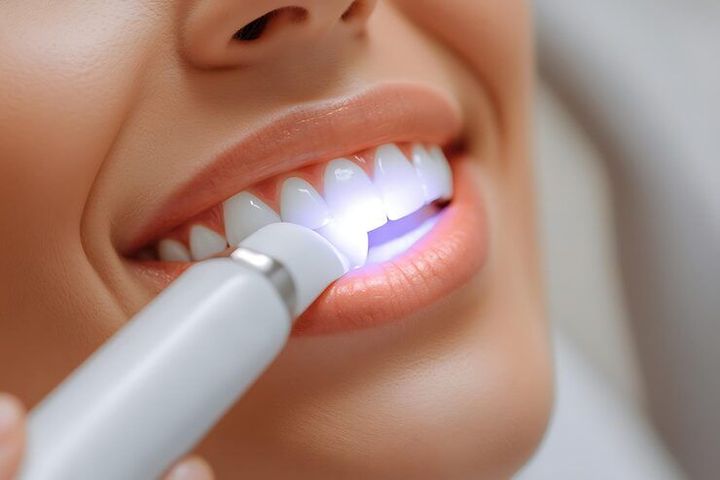
Recent research has also questioned whether light or laser activation consistently adds a meaningful whitening benefit. An umbrella review published in 2026 found no consistent improvement in final whitening effectiveness from light or laser activation compared with non-activated procedures, although evidence for some newer techniques remains limited.
Research has also continued comparing in-office and at-home approaches. A 2024 umbrella review found no clear difference between the two approaches in overall color change or post-treatment sensitivity across the studies included. Treatment protocols, concentrations, application times, and individual responses varied substantially.
Emerging approaches
Researchers have also investigated whitening materials that do not rely on hydrogen peroxide. A 2025 systematic review examined peroxide-free color-correcting materials and found that the evidence base was still developing, particularly regarding long-term effects on enamel and dentin.
These developments show that teeth whitening research is increasingly focused not only on color change but also on sensitivity, enamel effects, exposure time, and biological safety.
Laws or Policies
Teeth whitening is regulated differently across jurisdictions because products and procedures can fall under different categories, including cosmetics, oral-care products, or professional dental procedures.
Regulations may address the concentration of active ingredients, product labeling, manufacturing standards, advertising claims, import requirements, and who may apply particular formulations. Rules can therefore differ substantially between countries and regions.
For example, European regulatory guidance has placed restrictions on higher concentrations of hydrogen peroxide in tooth-whitening products and has distinguished between products intended for general consumer use and products used under dental-professional supervision.
In the United States, the American Dental Association describes several whitening categories, including over-the-counter products, dentist-supplied home systems, and in-office procedures. Local rules can also affect who is legally permitted to perform particular whitening procedures.
Because requirements vary, the applicable dental regulator or medical-device/cosmetic authority in the relevant jurisdiction is the appropriate source for current legal requirements. Product instructions and regulatory labeling should also be followed.
Tools and Resources
Several resources can help readers understand teeth whitening methods and evaluate information about them.
Dental assessment
A routine dental examination can help distinguish ordinary staining from problems such as decay, damaged teeth, gum conditions, or other causes of discoloration. The American Dental Association notes that assessment before bleaching can help identify factors that may influence treatment.
Shade guides
Dental shade guides provide standardized references for describing tooth color. They can help document changes before and after treatment, although visual shade assessment can still be influenced by lighting and viewing conditions.
Whitening logs
A simple treatment record can contain:
- Date of each application
- Product or treatment type
- Exposure duration
- Reported sensitivity
- Gum irritation or other reactions
- Observed changes in tooth shade
Such records can help identify whether discomfort is associated with particular exposure patterns.
Evidence databases
PubMed provides access to published biomedical research, including systematic reviews of teeth whitening. Recent reviews have examined over-the-counter products, at-home treatments, sensitivity, professional bleaching, and light activation.
The American Dental Association also provides educational information about whitening ingredients, treatment categories, potential adverse effects, and factors affecting treatment.
Aftercare considerations
After whitening, ordinary oral hygiene remains important. Tooth brushing, interdental cleaning, and routine dental care help manage plaque and surface staining.
Some people also limit exposure to strongly staining foods and beverages during or shortly after whitening. The appropriate aftercare period depends on the treatment used, so the product instructions or guidance provided with a professional treatment should determine the specific routine.
If significant or persistent pain, gum irritation, or another unusual reaction develops, further assessment may be appropriate rather than continuing the whitening process.
FAQs
What are the main teeth whitening methods?
Common teeth whitening methods include whitening toothpaste, strips, paint-on gels, dentist-supervised trays, and in-office bleaching. The methods differ in their ingredients, concentration, application process, and level of supervision.
Are teeth whitening treatments safe for enamel?
Whitening can be used safely when appropriate products and procedures are used as directed, but temporary sensitivity and gum irritation can occur. Repeated or excessive exposure may increase unwanted effects, making concentration and treatment duration important factors.
How does professional teeth whitening differ from home whitening?
Professional whitening may use stronger formulations and controlled application under dental supervision, while home methods include consumer products and dentist-supplied trays. Research has not established one universal approach as appropriate for every person because individual conditions and treatment protocols differ.
Can whitening remove all types of tooth discoloration?
No. Whitening can address many forms of staining, but the response depends on the cause and depth of discoloration. Natural teeth can change shade, while many tooth-colored restorations do not respond to bleaching in the same way.
What should be considered during teeth whitening aftercare?
Teeth whitening aftercare generally involves maintaining normal oral hygiene, following the specified treatment schedule, and avoiding unnecessary repeated applications. Persistent sensitivity or gum irritation should not be ignored.
Conclusion
Teeth whitening includes several approaches, from stain-removing toothpaste and strips to dentist-supervised trays and in-office bleaching. Hydrogen peroxide and carbamide peroxide remain common active ingredients, while recent research continues to examine treatment duration, sensitivity, peroxide-free materials, and light activation. Safety depends on factors such as tooth condition, product concentration, exposure time, correct application, and individual sensitivity. Whitening affects natural teeth differently from many dental restorations, making the cause and type of discoloration important considerations.