Athleisure Wear Explained: Types, Key Features, Styling Ideas and Latest Trends
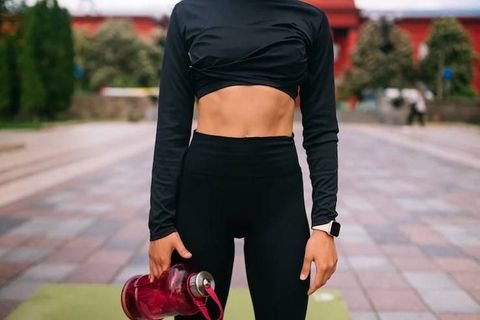
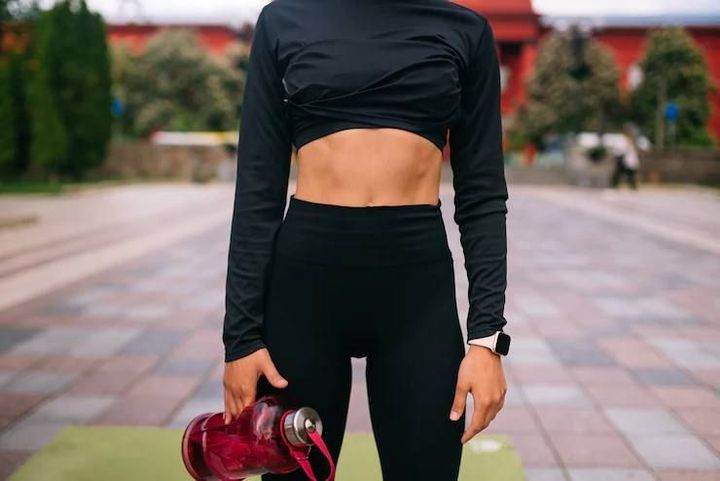
Athleisure wear is a style of clothing that combines elements of athletic clothing with everyday fashion. It includes items such as leggings, joggers, sweatshirts, track pants, sports-inspired tops, sneakers, hoodies, and lightweight jackets. The idea is to create clothing that can move between active settings and ordinary daily activities without requiring a complete change of outfit.
Context
The concept developed as sportswear gradually became part of everyday wardrobes. Athletic clothing was originally designed mainly around physical activity, movement, comfort, and performance. Over time, sports-inspired shapes, fabrics, colors, and footwear became common in casual fashion, creating the category now known as athleisure.
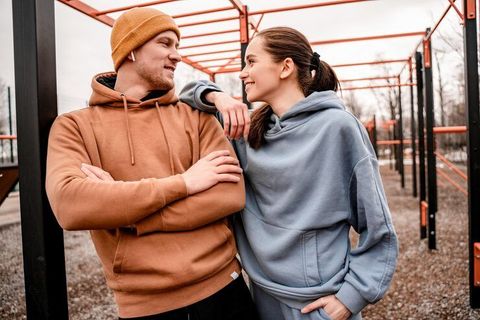
Athleisure wear can range from fitted clothing designed around movement to relaxed streetwear influenced by sports uniforms. It is not limited to one gender or age group, and the same general principles can be adapted to different personal styles.
What makes athleisure different?
Traditional athletic clothing is generally designed around a particular activity, such as running, training, cycling, or yoga. Athleisure combines some of these functional characteristics with everyday styling.
Common characteristics include stretch fabrics, relaxed silhouettes, lightweight materials, elastic waistbands, breathable construction, simple layering, and athletic-inspired footwear. However, not every athleisure garment contains all of these features.
The category is also influenced by streetwear and casual fashion. Track pants may be worn with a structured jacket, while a sports-inspired top can be combined with jeans or a skirt. This mixing of categories is an important part of modern athleisure styling.
Importance
Athleisure wear matters because the boundaries between active clothing and casual clothing have become less rigid. People may move between exercise, commuting, social activities, travel, and everyday tasks during the same day, creating demand for clothing that can adapt to different situations.
The style also gives people flexibility in how they combine practical and fashion-oriented pieces. A simple outfit can contain one athletic item while the remaining pieces have a more casual or polished appearance.
Key features of athleisure wear
Several characteristics commonly appear in athleisure clothing:
- Comfort-focused construction can include stretch materials, soft fabrics, and relaxed shapes.
- Functional details may include drawstrings, zip pockets, elastic waistbands, lightweight layers, and breathable panels.
- Sport-inspired design can appear through track stripes, jerseys, technical fabrics, racing details, or athletic silhouettes.
- Layering allows a hoodie, jacket, overshirt, or lightweight windbreaker to change the appearance of an outfit.
- Versatile footwear often includes sneakers, sporty flats, or other shoes influenced by athletic designs.
The importance of each feature depends on the intended activity. Clothing designed mainly for casual use does not necessarily need the same construction as clothing intended for intensive exercise.
Common types of athleisure wear
| Type | Typical features | Common styling use |
|---|---|---|
| Leggings | Stretch fabric, fitted shape | Tops, jackets, sneakers |
| Joggers | Elastic waist, tapered or relaxed leg | T-shirts, hoodies, jackets |
| Track pants | Sport-inspired shape and stripes | Shirts, sweaters, sneakers |
| Sweatshirts | Soft fabric, relaxed fit | Layering and casual outfits |
| Sports-inspired tops | Jerseys, polos, fitted or loose cuts | Casual everyday outfits |
| Windbreakers | Lightweight outer layer | Layering and sporty looks |
| Sneakers | Athletic-inspired footwear | Casual and athleisure outfits |
These categories overlap. For example, a pair of track pants may function as active clothing in one setting and as a streetwear piece in another.
Athleisure for different styles
Athleisure styling can be adapted without following one fixed silhouette. Someone who prefers relaxed clothing may combine oversized sweatshirts with wide-leg track pants, while another person may choose fitted leggings with a loose jacket.
Gender-neutral styling is also common within the broader category. Joggers, oversized sweatshirts, sneakers, track jackets, and relaxed trousers can be styled in many ways without being restricted to a particular gender.
Recent Updates
Athleisure trends have continued to evolve during 2024–2026. Rather than relying on one fixed look, recent fashion coverage shows a broader relationship between sportswear, streetwear, tailoring, and other fashion categories.
Fashion coverage during 2024 highlighted the increasing influence of different sports on everyday clothing. Football, tennis, ballet, cycling, boxing, and other athletic references appeared in fashion collections and street style. This has expanded athleisure beyond traditional gym clothing.
Relaxed silhouettes
One noticeable change has been greater interest in relaxed and loose-fitting athletic clothing. Fashion reporting in 2025 described a shift among some younger audiences away from highly fitted gym outfits toward baggier silhouettes, including looser trousers and oversized layers.
This does not mean fitted clothing has disappeared. Instead, both fitted and relaxed shapes are being used, sometimes within the same outfit.
Sports-inspired everyday outfits
Sports references have also become more integrated into everyday styling. Track pants, windbreakers, athletic jackets, jerseys, and sporty footwear can be combined with pieces that traditionally belong to casual or polished wardrobes.
Fashion coverage from 2025 described combinations such as track pants with leather outerwear and sporty pieces with more structured garments.
Hybrid footwear
Footwear has become another area where athletic and non-athletic styles overlap. Hybrid designs combining characteristics of sneakers with ballet flats, loafers, or other silhouettes received attention during 2025. Vogue reported on the rise of the “sneakerina,” which combines a sneaker-like sole with a ballet-flat shape.
This reflects a wider trend toward mixing athletic construction with styles traditionally associated with other parts of fashion.
Styling ideas for 2026
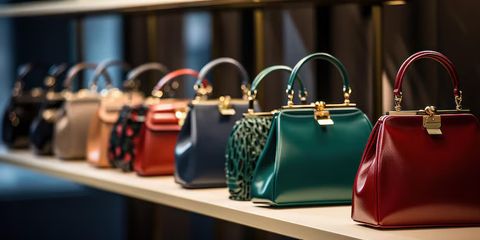
Current sporty styling continues to use contrast. Athletic pieces may be paired with tailored jackets, skirts, structured bags, or other non-sport garments. Recent fashion coverage also shows sporty jackets, track pants, and sneakers being combined with more polished pieces.
The result is a broader interpretation of athleisure rather than a single uniform outfit formula.
Laws or Policies
Athleisure wear is affected by clothing and textile regulations in the jurisdiction where garments are manufactured, imported, advertised, or distributed. There is no single worldwide rule covering every athleisure product, so requirements can vary between regions.
Common regulatory areas include textile labeling, fiber-content information, care instructions, product safety, advertising claims, and environmental statements. The exact requirements depend on the relevant jurisdiction and the type of garment.
Clothing labels and care information
Textile regulations in several jurisdictions require information that helps people understand a garment's composition and care requirements. For example, United States Federal Trade Commission rules require covered textile apparel manufacturers and importers to provide care instructions, while textile and wool products generally have requirements concerning fiber content and other labeling information.
Care instructions can include washing, drying, ironing, bleaching, or other appropriate information. Such instructions are intended to provide accurate information about maintaining the garment.
Advertising and environmental claims
Athleisure clothing can also be affected by rules concerning advertising and environmental claims. Statements about recycled materials, durability, environmental impact, performance, or particular fabric properties should be supported by appropriate evidence where required by applicable law.
Rules can also apply to product descriptions and marketing communications that could mislead consumers. Because requirements differ between jurisdictions, manufacturers and retailers need to follow the rules applicable to the markets in which their products are distributed.
Tools and Resources
Several resources can help people understand athleisure wear, compare clothing characteristics, and develop outfits.
Fashion magazines and style publications can provide information about changing silhouettes, footwear, colors, and sports-inspired trends. Fashion archives can also help explain how earlier sportswear influences have returned in newer forms.
Clothing labels are another practical resource. Fiber information can help identify the materials used in a garment, while care instructions explain how the item should be maintained.
A simple wardrobe planning table can also help organize athleisure outfits:
| Clothing category | Example | Possible pairing |
|---|---|---|
| Bottom | Joggers | Fitted T-shirt and sneakers |
| Bottom | Leggings | Oversized sweatshirt and jacket |
| Top | Sports-inspired polo | Relaxed trousers and sneakers |
| Outer layer | Track jacket | Jeans and simple T-shirt |
| Footwear | Retro sneakers | Track pants and casual shirt |
| Layer | Oversized hoodie | Straight-leg trousers and sneakers |
Digital wardrobe applications, note-taking tools, spreadsheets, and outfit-planning templates can also be used to record clothing combinations and identify repeated wardrobe patterns.
For trend research, established fashion publications and runway archives can provide visual and historical context. Current fashion reporting has documented the continued interaction between sportswear, streetwear, tailoring, and other fashion categories.
FAQs
What is athleisure wear?
Athleisure wear is clothing that combines athletic-inspired design with everyday fashion. Common examples include leggings, joggers, track pants, sweatshirts, sneakers, and sporty jackets.
What are the main types of athleisure wear?
Common types include leggings, joggers, track pants, sweatshirts, sports-inspired tops, windbreakers, hoodies, and sneakers. These pieces can be used separately or combined into layered outfits.
What are the key features of athleisure wear?
Key features include comfortable construction, flexible fabrics, relaxed or fitted silhouettes, athletic details, lightweight layers, and practical elements such as elastic waistbands or zip pockets.
What are the latest athleisure wear trends?
Recent trends include relaxed silhouettes, sports-inspired tailoring, retro athletic references, hybrid footwear, and combinations of athletic pieces with more structured or polished clothing.
How can athleisure wear be styled?
Athleisure can be styled by combining athletic pieces with casual or structured garments. Examples include track pants with a jacket, leggings with an oversized sweatshirt, or sneakers with trousers and a simple shirt.
Conclusion
Athleisure wear combines athletic influences with everyday fashion through clothing such as joggers, leggings, track pants, sweatshirts, jackets, and sneakers. Its development has created a flexible style category that includes both fitted and relaxed silhouettes. Recent trends show greater mixing between sportswear, streetwear, tailoring, and other fashion influences. Clothing regulations also make accurate labeling, care information, and truthful product claims important aspects of the wider apparel industry.