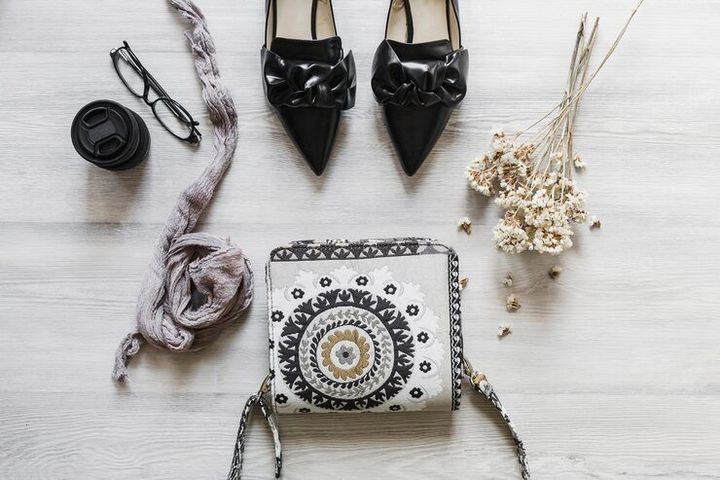
Fashion Accessories Details: Key Categories, Design Features, Styling Methods and Fashion Trends
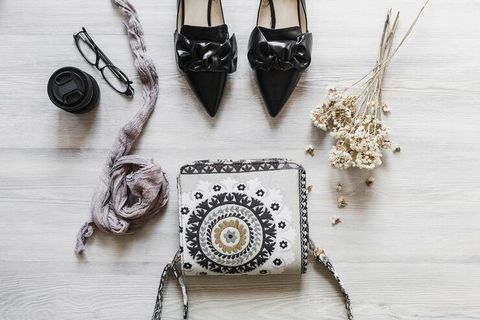
Fashion accessories are items used with clothing to add visual detail, practical function, or personal expression. They include bags, belts, scarves, hats, jewelry, watches, eyewear, hair accessories, gloves, footwear details, and other decorative or functional pieces. Unlike garments, accessories are often smaller components of an outfit, but they can significantly influence its overall appearance.
Context
The history of fashion accessories extends across many cultures and periods. Early forms included decorative ornaments, belts, head coverings, footwear, and objects made from materials available within local communities. Over time, accessories developed alongside changes in clothing, craftsmanship, technology, trade, and social customs.
Today, fashion accessories are available in a wide range of materials, shapes, colors, construction methods, and design styles. Common materials include leather and leather alternatives, cotton, silk, wool, synthetic fibers, metals, glass, wood, ceramics, plastics, beads, and recycled materials.
Accessories can serve different purposes. A handbag can provide storage, sunglasses can provide protection from sunlight, a belt can help adjust the fit of clothing, and jewelry can function primarily as decoration. Some products combine several purposes within one design.
Main categories of fashion accessories
Fashion accessories can be organized according to their function and position on the body.
| Category | Common examples | Main design considerations |
|---|---|---|
| Jewelry | Necklaces, earrings, bracelets, rings | Shape, material, finish, proportion |
| Bags | Handbags, totes, clutches, backpacks | Size, structure, compartments, straps |
| Headwear | Hats, caps, headbands | Shape, material, fit, seasonal use |
| Eyewear | Sunglasses, optical frames | Frame shape, lens type, proportion |
| Neckwear | Scarves, wraps, ties | Fabric, pattern, length, drape |
| Waist accessories | Belts, decorative chains | Width, buckle design, placement |
| Hair accessories | Clips, pins, ribbons, scrunchies | Size, attachment method, ornamentation |
| Watches | Wristwatches and fashion watches | Case shape, strap, dial, proportion |
| Gloves | Fabric, leather, knitted gloves | Material, length, fit, insulation |
| Footwear accessories | Decorative charms, laces, anklets | Attachment, color, texture, coordination |
These categories can overlap. For example, a decorative belt may function as both a practical garment accessory and a styling element.
Importance
Fashion accessories matter because they provide additional ways to coordinate clothing without changing the entire outfit. A scarf can introduce pattern, while a belt can create visual separation between garments. Jewelry can add contrast, and a bag can contribute both function and structure to an outfit.
Accessories also allow people to express preferences through color, material, scale, texture, and shape. Two people wearing similar clothing can create noticeably different appearances by selecting different accessories.
Design features that influence appearance
Several design characteristics determine how an accessory interacts with clothing.
Color affects visual coordination and contrast. Neutral shades can blend with many garments, while bright or contrasting shades can become prominent parts of an outfit.
Shape influences visual character. Rounded forms can create a softer appearance, while geometric forms may create a more structured effect.
Scale refers to the relative size of an accessory compared with the wearer and the clothing. Large earrings, wide belts, oversized bags, or broad-brimmed hats create a different visual balance from smaller accessories.
Texture introduces surface variation. Smooth metal, woven fabric, brushed materials, polished surfaces, embroidery, beads, and textured leather alternatives can each create different visual effects.
Finish describes the surface treatment of a material. Matte, glossy, metallic, brushed, embroidered, quilted, or patterned finishes can change how light interacts with an accessory.
Construction affects both appearance and practical use. Stitching, closures, buckles, hinges, clasps, seams, handles, and attachment points are common construction elements.
Materials used in accessories
Material selection influences weight, flexibility, appearance, maintenance requirements, and durability.
Natural fibers such as cotton, silk, linen, and wool are frequently used for scarves, hats, gloves, and other textile accessories. Metals such as stainless steel, silver, and various alloys are commonly used for jewelry and hardware.
Synthetic materials can be used for bags, eyewear, decorative components, and textile accessories. Alternative materials derived from plant-based or recycled sources are also appearing across different accessory categories.
Material choice should be considered alongside intended use. An accessory designed for occasional decorative use can have different construction requirements from one expected to experience frequent handling or exposure to weather.
Styling methods
Styling accessories involves coordinating them with clothing rather than treating every item separately. Common approaches include:
Color coordination: Repeating or complementing a color already present in clothing.
Contrast styling: Using an accessory with a noticeably different color or texture.
Layering: Combining multiple necklaces, bracelets, rings, or other compatible pieces.
Proportion matching: Balancing large garments with appropriately scaled accessories.
Texture mixing: Combining smooth, woven, metallic, matte, or textured surfaces.
Single-focus styling: Allowing one noticeable accessory to become the main visual feature.
Functional styling: Selecting accessories according to practical requirements such as storage, sun protection, or weather conditions.
The appropriate approach depends on personal preference, clothing structure, occasion, and environment. There is no universal formula for combining accessories.
Recent Updates
Fashion accessory trends during 2025 and 2026 have shown a mixture of practical design, nostalgic references, expressive decoration, and experimentation with scale. Fashion coverage during 2026 has highlighted accessories such as scarves, brooches, statement belts, wraparound sunglasses, pearl jewelry, decorative hats, and embellished pieces.
Expressive belts and decorative details
Belts have increasingly been treated as visible styling elements rather than only functional components. Wider buckles, Western-inspired details, tassels, chains, and decorative attachments have appeared in recent fashion coverage. Decorative charms have also moved beyond handbags, with some styling approaches placing charms and small objects around belt loops or waist areas.
Scarves and layered jewelry
Scarves continue to appear in different styling formats, including traditional neckwear, shoulder wraps, belt-like arrangements, and decorative attachments. Layered necklaces, bangles, pearls, and larger earrings have also received attention in recent accessory coverage.
Bags and practical formats
Recent accessory trends have included both oversized bags and compact pouches. Multi-functional designs, including bags integrated with belts or worn in hands-free formats, reflect continued interest in combining practical use with visual styling.
Eyewear and headwear
Eyewear has moved across several frame shapes, including sporty and wraparound designs. Headwear has also received renewed attention, with hats, caps, turbans, and other head coverings appearing in runway and editorial styling.
These trends illustrate that fashion accessories can change rapidly while established categories remain relevant. Seasonal trends may influence colors, shapes, and styling techniques, but individual preferences and practical requirements continue to affect accessory selection.
Laws or Policies
Fashion accessories can be affected by several types of product rules, depending on the material, intended use, manufacturing location, and market where an item is distributed. Requirements can cover labeling, fiber composition, material descriptions, care instructions, product safety, chemical substances, packaging, environmental claims, and consumer information.
Textile accessories such as scarves, fabric belts, and certain textile headwear may fall under textile labeling requirements in some jurisdictions. Rules can require information about fiber composition, manufacturer or responsible business identification, country of origin, and care instructions.
Leather and imitation-leather accessories may have separate requirements concerning material descriptions. Jewelry and accessories containing metals, coatings, dyes, plastics, or other substances can also be affected by chemical and product-safety requirements.
Environmental claims require particular care. Statements about recycled content, sustainability, biodegradability, or environmental impact may need supporting evidence under applicable consumer-protection rules. Regulations in several markets are also moving toward clearer information about textile composition, environmental characteristics, and circularity.
Because requirements differ between jurisdictions and product categories, manufacturers, importers, and retailers need to check the rules applicable to the specific product and destination market. General fashion guidance should not be treated as a substitute for current regulatory information.
Tools and Resources
Several resources can help people understand fashion accessories, coordinate outfits, and research product characteristics.
Digital styling tools
Virtual wardrobe applications can organize clothing and accessories into digital collections. Some platforms allow users to create outfit combinations, categorize colors, and record frequently used pieces.
Color and proportion references
Color wheels and digital palette tools can help explain complementary, analogous, neutral, and contrasting color relationships. Proportion guides can also help illustrate how accessory scale relates to garment volume and overall silhouette.
Fashion trend archives
Fashion publications, runway archives, museum collections, and fashion-school resources provide visual and historical references for studying accessory design. These sources can help distinguish short seasonal trends from recurring design movements.
Product and material documentation
Material specifications, care instructions, fiber information, and manufacturer documentation can help readers understand how an accessory is constructed and maintained. For textile products, labeling rules in some markets require information about fiber composition and care.
Personal accessory inventory
A simple spreadsheet or digital note can record accessory categories, colors, materials, sizes, and occasions of use. This can make it easier to understand existing wardrobe combinations and identify repeated styles or underused categories.
FAQs
What are the main categories of fashion accessories?
The main categories include jewelry, bags, belts, scarves, hats, eyewear, watches, hair accessories, gloves, and other decorative or functional items. Categories can overlap depending on how an item is designed and worn.
What design features are important in fashion accessories?
Color, shape, scale, texture, material, finish, construction, and proportion are important design features. These characteristics influence how an accessory looks and how it interacts with clothing.
How can fashion accessories be styled with different outfits?
Accessories can be coordinated through color, contrast, texture, scale, layering, and proportion. Styling can also consider the purpose of the occasion, weather, clothing structure, and the visual focus of the outfit.
What fashion accessory trends are appearing in 2026?
Recent 2026 fashion coverage has highlighted scarves, decorative belts, layered jewelry, pearls, statement earrings, wraparound sunglasses, hats, charms, and textured or embellished bags. These trends show continued interest in expressive accessories combined with practical formats.
Why are material and labeling details important for fashion accessories?
Material and labeling information can explain fiber composition, care requirements, origin information, and other product characteristics where applicable. Accurate information also helps distinguish different materials and understand how an accessory should be maintained.
Conclusion
Fashion accessories include a broad range of decorative and functional products, from jewelry and bags to scarves, belts, eyewear, and headwear. Their appearance is influenced by materials, color, shape, scale, texture, construction, and styling methods. Recent fashion trends have combined expressive details with practical designs, while regulatory attention continues to address product information, labeling, materials, and environmental claims. Understanding these elements provides a clearer view of how accessories contribute to clothing and personal style.
You May Also Like