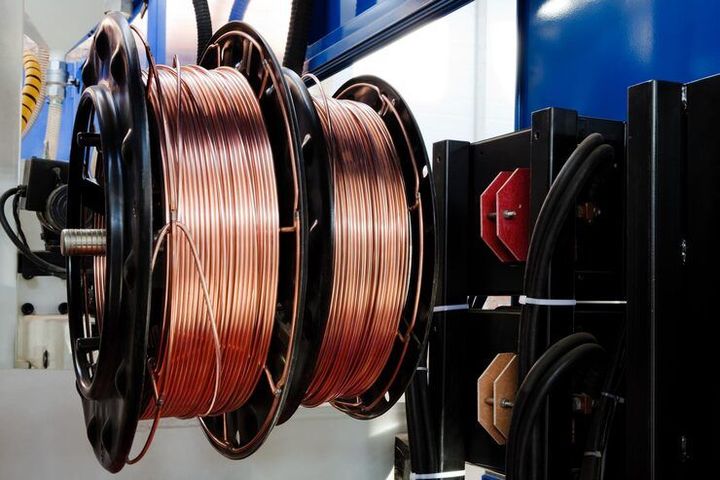
Copper Cable Manufacturing Guide: Raw Materials, Machinery, Production and Quality Considerations
Copper cable manufacturing is an industrial process that converts copper and insulating materials into cables designed to carry electrical current or transmit signals. Depending on the cable design, the finished product can contain a solid copper conductor, multiple fine copper wires, insulation, shielding, protective layers, or an outer sheath.
Context
Copper has been widely used for electrical conductors because it combines high electrical conductivity with useful mechanical properties and can be formed into wires of different sizes. Cable manufacturing developed alongside the expansion of electrical systems, communications equipment, buildings, industrial machinery, transportation systems, and electronic products.
A typical copper cable manufacturing process involves several connected stages. Copper is prepared in a suitable form, drawn to the required diameter, annealed when required, stranded for certain designs, insulated, assembled, and subjected to quality checks.
The exact production route depends on the cable type. A simple single-core cable may require fewer stages than a multi-core power cable with insulation, shielding, bedding, and an outer sheath.
Main stages in copper cable manufacturing
A general production sequence can include:
- Copper preparation and feeding
- Wire drawing
- Annealing
- Stranding or bunching
- Insulation extrusion
- Core identification
- Cabling or assembly
- Shielding or protective layering
- Sheathing
- Electrical and dimensional testing
- Reeling, marking, and controlled storage
Not every cable passes through every stage. Cable construction is normally defined according to its intended electrical, mechanical, environmental, and installation characteristics.
Importance
Copper cable manufacturing matters because conductors form an essential part of many electrical systems. The conductor must provide an appropriate path for current while the surrounding materials help provide electrical separation and mechanical protection.
Manufacturing consistency is particularly important because small changes in conductor diameter, resistance, insulation thickness, or surface condition can affect the characteristics of the finished cable.
Why raw-material control matters
Copper quality influences several parts of the manufacturing process. Incoming material may be checked for dimensions, surface condition, chemical characteristics, and electrical properties according to the applicable specification.
Insulating materials are also important. Common cable insulation and sheath materials include thermoplastic and thermosetting compounds selected according to temperature, flexibility, voltage, environmental exposure, and mechanical requirements.
Why machinery selection matters
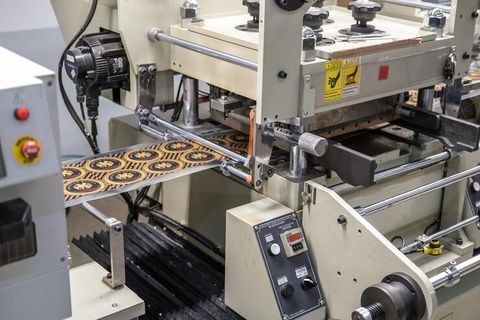
Different machines perform different stages of cable production. A production line may contain several machines rather than one complete machine performing every operation.
| Manufacturing stage | Typical machinery | Main purpose |
|---|---|---|
| Wire drawing | Wire drawing machine | Reduces copper wire diameter |
| Annealing | Continuous annealer | Restores suitable ductility after drawing |
| Bunching | Buncher or stranding machine | Combines individual wires |
| Insulation | Extrusion line | Applies insulating material |
| Cabling | Cabling machine | Combines insulated cores |
| Shielding | Shielding machine | Applies metallic shielding where required |
| Sheathing | Sheathing extrusion line | Applies the outer protective layer |
| Testing | Electrical and dimensional instruments | Checks specified characteristics |
Production speed alone does not determine whether a manufacturing process is appropriate. Material compatibility, dimensional control, tension management, temperature control, machine synchronization, and inspection capability also influence the finished cable.
Copper conductor types
Copper conductors can be produced in several forms. Solid conductors consist of a single metallic element, while stranded conductors contain multiple wires combined into a larger conductor.
Stranded construction can provide greater flexibility than a comparable solid conductor, depending on the design. IEC 60228:2023 specifies conductor cross-sectional areas, wire dimensions, resistance values, and conductor arrangements for various electric cables and cords, including solid and stranded copper conductors.
Recent Updates
Cable manufacturing continues to develop around tighter process control, improved testing, automation, material monitoring, and more detailed product specifications. Manufacturers are increasingly using sensors, automated controls, digital production records, and inline inspection to monitor processes while cable is being produced.
Another noticeable trend is greater attention to conductor dimensions and electrical resistance. The current IEC 60228 edition includes requirements relating to nominal cross-sectional areas, numbers and sizes of wires, and resistance values for covered conductor types.
Changes in cable standards
Technical standards continue to be revised as cable designs, test methods, and application requirements develop. For example, IEC 60502-2 has a 2024 amendment incorporated into its current consolidated version, covering certain power cables with extruded insulation for rated voltages from 6 kV up to 30 kV. The document includes requirements relating to construction, dimensions, testing, conductor temperature, routine electrical tests, and sheath characteristics.
The current IEC 60502 series also reflects continuing development of requirements for power cables with extruded insulation and associated components. Its applicability depends on the particular cable design and intended application.
Automation and process monitoring
Modern cable production can use automated diameter measurement, tension monitoring, temperature sensors, programmable controls, and continuous electrical checks. These systems can help identify deviations earlier in the production sequence.
Digital monitoring can also connect measurements from different production stages. This makes it easier to trace process information and investigate variations between production batches.
Material efficiency is another area of attention. Precise wire drawing, controlled extrusion, accurate conductor sizing, and reduced production waste can help manufacturers use raw materials more efficiently without changing the specified cable design.
Laws or Policies
Copper cable manufacturing is affected by technical standards, product specifications, environmental requirements, workplace rules, and electrical-safety frameworks. The exact legal requirements depend on the jurisdiction, cable category, intended application, and regulatory classification.
Because requirements differ between regions and applications, a general manufacturing guide should not treat one regulatory framework as universally applicable. A manufacturer normally needs to identify the technical and regulatory requirements relevant to the specific cable before production and conformity assessment.
Technical standards
International standards can provide common methods for describing conductor dimensions, electrical resistance, construction, insulation, and testing. IEC 60228:2023 is one important reference for conductors used in various electric cables and cords.
Other IEC standards address particular cable families. For example, IEC 60502-2 covers certain medium-voltage power cables with extruded insulation and defines construction and test requirements for the products within its scope.
These standards should not automatically be treated as laws. Their relevance may arise from product specifications, technical contracts, regulatory frameworks, certification arrangements, or other applicable requirements.
Environmental and workplace considerations
Cable manufacturing may involve molten polymers, lubricants, metallic materials, heated equipment, electrical systems, and rotating machinery. Facilities therefore need appropriate controls for machine guarding, electrical safety, ventilation, material handling, fire protection, waste management, and worker protection according to applicable local requirements.
Environmental requirements can also address material handling, production waste, emissions, and disposal or recycling of cable materials. The applicable requirements should be determined from the actual manufacturing process rather than assumed from a generic cable design.
Tools and Resources
Several technical resources can support copper cable manufacturing planning and quality control.
Wire drawing calculations
Engineering calculations can be used to determine drawing reductions, final conductor dimensions, line speeds, and related process parameters. Such calculations help connect incoming wire dimensions with the required finished conductor size.
Electrical resistance measurement
Resistance measurement is an important quality-control activity for many copper conductors. Measurement systems may include precision resistance instruments, temperature measurement equipment, and appropriate fixtures.
Because copper resistance changes with temperature, test results may need temperature correction or controlled test conditions when required by the applicable specification. IEC 60228 includes supplementary information concerning temperature correction for resistance measurement.
Dimensional inspection
Micrometers, laser diameter gauges, optical measurement systems, and other instruments can be used to examine conductor and insulation dimensions. Continuous measurement can also be integrated into production lines.
Quality records
A production record may include:
- Raw-material identification
- Conductor diameter
- Drawing and annealing parameters
- Stranding information
- Insulation dimensions
- Extrusion temperatures
- Electrical test results
- Visual inspection results
- Final cable identification
The specific records required depend on the production system, product specification, and applicable quality procedures.
FAQs
What machinery is used in copper cable manufacturing?
Common machinery includes wire drawing machines, annealing equipment, bunching or stranding machines, extrusion lines, cabling machines, shielding equipment, sheathing lines, and electrical testing instruments. The equipment combination depends on the cable construction.
How does a copper cable manufacturing process work?
A typical copper cable manufacturing process begins with copper preparation and wire drawing. Depending on the design, the wire may then be annealed, stranded, insulated, assembled with other cores, shielded, sheathed, and tested.
What raw materials are used in copper cable manufacturing?
Copper is the primary conductor material. Other materials can include polymer compounds for insulation and sheathing, metallic shielding materials, fillers, tapes, binders, and other components selected according to the cable design.
What quality tests are used for copper cables?
Testing can include conductor resistance, dimensional checks, insulation thickness, continuity, voltage-related tests, visual inspection, mechanical tests, and other examinations specified for the particular cable type. The applicable standard determines which tests are relevant.
Why is wire drawing important in copper cable manufacturing?
Wire drawing reduces the diameter of copper wire through controlled forming operations. It helps produce the conductor dimensions required for later manufacturing stages. Drawing conditions can also influence surface quality, mechanical properties, and subsequent processing behavior.
Conclusion
Copper cable manufacturing combines material preparation, wire drawing, conductor formation, insulation, assembly, protective layers, and quality testing. Machinery and process parameters vary according to the cable's construction and intended application. Current technical developments place continued emphasis on dimensional control, electrical testing, automation, traceability, and updated standards. International standards such as IEC 60228 and applicable cable-specific standards provide technical references, while actual regulatory requirements depend on the relevant application and jurisdiction.