Chemical Etching: Equipment and Precision Material Processing Explained
Chemical etching is a subtractive manufacturing process used to shape metal and other materials into precise and intricate designs. This technique is valued for its ability to produce complex parts with fine details in a consistent, repeatable manner. In this article, we delve into the mechanics of chemical etching, focusing particularly on the equipment used and how it supports controlled material processing.
At its core, chemical etching involves removing specific areas of a material layer by exposing it to an etchant, which is a chemical bath that dissolves the unwanted material. This process starts with preparing the material surface by cleaning it to remove any impurities that might interfere with the etching. The clean surface is then laminated with a photoresist, which acts as a protective layer.
The photoresist is exposed to ultraviolet (UV) light through a photomask, which is a template that determines the pattern to be etched. The exposed areas of the photoresist become soluble, allowing them to be washed away. This leaves behind a pattern of non-soluble photoresist that protects the underlying material during the chemical etching process.
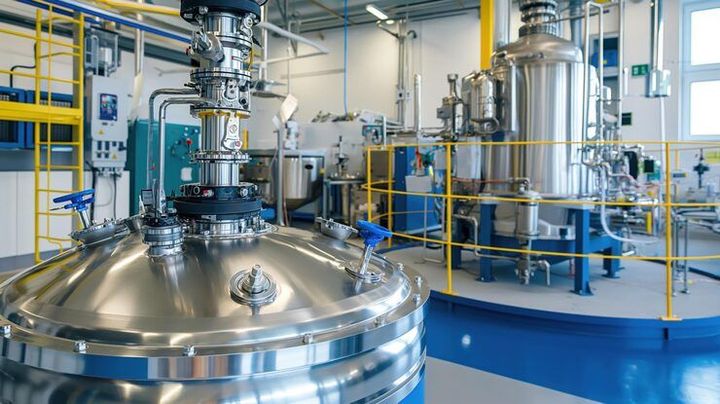
Chemical etching equipment plays a critical role in controlling each of these steps to ensure precision and repeatability. Etching machines are designed to manage various parameters such as temperature, etchant concentration, exposure time, and agitation. These factors are crucial in achieving the desired level of precision and quality in the final product.
Temperature control is essential during chemical etching because it affects the rate at which the etchant dissolves the material. Most etching processes operate at elevated temperatures to enhance reaction rates. Etching equipment often includes heating elements and temperature sensors to maintain the desired temperature range. Maintaining a consistent temperature throughout the process ensures uniform etching and helps prevent defects.
Etchant concentration is another key parameter controlled by chemical etching equipment. The concentration of the chemical bath determines the etching speed and the degree of material removal. An optimal concentration is necessary to avoid over-etching or under-etching, both of which can lead to dimensional inaccuracies or incomplete patterns. Automated systems in the etching equipment can adjust the concentration levels dynamically, optimizing them for specific materials or pattern requirements.
Exposure time is carefully controlled to achieve the precise depth and detail required in the etched design. Advanced etching equipment includes timing mechanisms that regulate how long each part of the material is exposed to the etchant. This ensures that the etching process stops at the right point, preserving the desired thickness and feature details of the final part.
Agitation of the chemical bath is often necessary to ensure a consistent etch rate across the entire surface of the material. Agitation helps in maintaining a uniform distribution of the etchant over the workpiece and facilitates the removal of the dissolved material from the surface. Various agitation techniques, such as mechanical stirring, ultrasonic waves, or bubble agitation, may be employed depending on the specific requirements of the etching task.
Beyond basic parameter control, modern chemical etching equipment is often configured for automation and integration into broader manufacturing processes. This includes CNC systems that can handle complex and repeatable processes, reducing the potential for human error. Automated loading and unloading systems can also be integrated to enhance efficiency, particularly in large-scale production settings.
Environmental and safety considerations are also integral to the design and operation of chemical etching equipment. The etching process involves handling and disposal of chemicals, which must be managed to minimize environmental impact and ensure workplace safety. Advanced equipment often incorporates containment and filtration systems to capture hazardous fumes and manage waste products responsibly.
Material compatibility is another aspect supported by chemical etching equipment. Different materials require different etchants and process conditions, such as metals versus polymers. Etching equipment can be calibrated or customized to suit various material types, offering flexibility and versatility in processing diverse materials.
In summary, chemical etching is a versatile manufacturing technology vital for producing complex and precision parts. The success of this process is heavily reliant on the equipment used, which must efficiently control temperature, etchant concentration, exposure time, and other critical parameters. With advancements in technology, chemical etching equipment continues to evolve, offering enhanced automation, safety features, and environmental controls, ensuring it remains a cutting-edge technique in modern manufacturing.