Modern Sensors Are Transforming the Way Industries Collect Data Insights
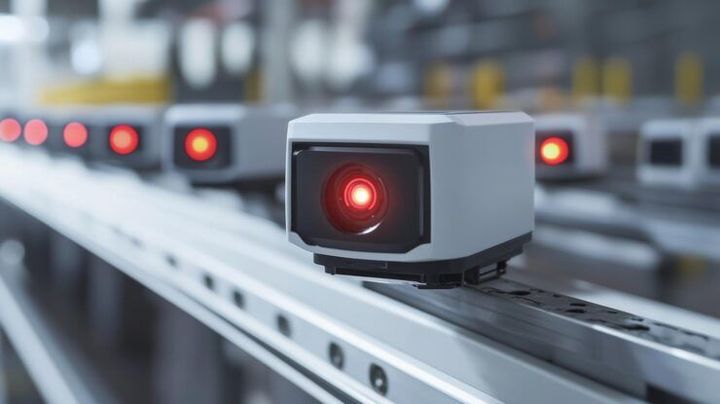
Modern sensors are changing how industries collect, process, and understand information from machines, equipment, production lines, buildings, and other physical environments. A sensor detects a physical condition such as temperature, pressure, vibration, movement, humidity, flow, position, or electrical activity and converts that condition into data that a monitoring system can interpret.
Context
Industrial sensors have existed for many years, but their role has expanded as factories and industrial facilities have adopted connected equipment, automation, cloud platforms, and data analytics. Earlier sensor systems often focused on individual measurements or local control functions. Modern systems can connect measurements from many locations and make them available for analysis across an industrial operation.
The growth of the Industrial Internet of Things (IIoT) has contributed to this development. IIoT systems connect machines, sensors, controllers, software platforms, and communication networks so that physical processes can generate data continuously. This creates a link between equipment activity and digital information.
How industrial sensors collect data
A sensor normally detects a physical variable and produces an electrical or digital signal. That signal may then pass through a controller, gateway, data acquisition system, or industrial network before reaching a monitoring or analytics platform.
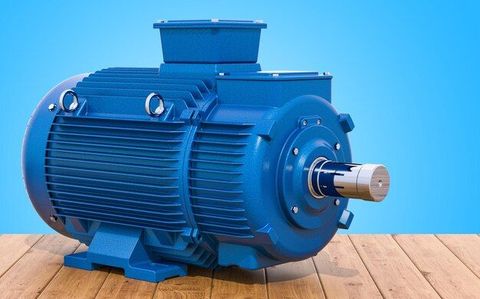
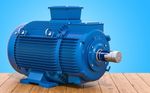
For example, a temperature sensor installed near an industrial motor can continuously measure temperature. A connected system can record those readings, compare them with historical values, and display changes through a dashboard.
Common industrial sensor categories include:
Temperature sensors for monitoring thermal conditions
Pressure sensors for fluid and gas systems
Vibration sensors for rotating equipment
Flow sensors for liquids and gases
Humidity sensors for environmental monitoring
Proximity sensors for detecting objects or machine positions
Level sensors for tanks, containers, and process equipment
Electrical sensors for measuring current, voltage, and related parameters
The sensor itself is only one part of the data collection process. Signal conditioning, communication hardware, data storage, software, and analytics can all affect how useful the resulting information becomes.
From measurement to data insight
A sensor reading is a measurement, while an insight generally comes from interpreting one or more measurements in context. A single vibration value may have limited meaning, whereas vibration readings collected over several weeks may reveal a change in equipment behavior.
This distinction is important because industrial data can become difficult to interpret when large numbers of sensors operate simultaneously. Effective data systems therefore need suitable methods for filtering, organizing, comparing, and presenting measurements.
Importance
The growing use of sensors matters because industrial operations depend on physical processes that can be difficult to observe continuously. Machines operate for long periods, production conditions change, and equipment may be located across large facilities.
Sensors provide a way to capture information without requiring an operator to manually record every measurement. This can support monitoring of equipment conditions, production environments, energy use, material movement, and other operational factors.
Improving visibility into equipment
Industrial machinery can generate measurable changes before an operator can easily notice them. Temperature, vibration, pressure, current, and acoustic measurements can provide additional information about equipment behavior.
Sensor data can therefore contribute to condition monitoring. Rather than examining equipment only at predetermined intervals, organizations can use ongoing measurements to observe changes between inspections.
This does not mean that sensors can identify every equipment problem or replace physical inspection. Sensor readings must be interpreted according to the equipment, operating conditions, sensor location, and measurement method.
Supporting data-driven operations
Modern sensor networks can contribute information to several operational areas:
| Industrial area | Example sensor data | Possible analytical use |
|---|---|---|
| Equipment monitoring | Vibration and temperature | Identify changes in operating patterns |
| Process control | Pressure and flow | Observe process conditions |
| Energy monitoring | Current and power measurements | Examine energy-use patterns |
| Environmental monitoring | Humidity and temperature | Track facility conditions |
| Production monitoring | Position and proximity | Monitor movement and process stages |
| Storage systems | Level and temperature | Observe material conditions |
The value of this information depends on data quality. Poor sensor placement, incorrect calibration, communication interruptions, and inconsistent measurement methods can affect the usefulness of analytics.
Supporting maintenance planning
Sensor data is increasingly used as one input for condition-based and predictive maintenance approaches. Historical measurements can be analyzed to identify changes in operating behavior and determine whether additional inspection may be appropriate.
However, predictive models do not automatically determine when a machine will fail. They estimate patterns based on available data and assumptions. Equipment knowledge, inspection findings, operating conditions, and maintenance records remain important parts of the overall assessment.
Recent Updates
Between 2024 and 2026, industrial sensor technology has continued moving toward greater connectivity, smaller devices, edge processing, wireless communication, and integration with artificial intelligence and industrial analytics.
One notable trend is the movement of some data processing closer to the equipment itself. This approach, commonly called edge computing, allows selected calculations or filtering to take place near the sensor or machine rather than sending every raw measurement to a distant computing platform.
Edge processing and connected sensors
Edge processing can be useful when industrial systems generate large volumes of data or require rapid responses. A local device may analyze sensor readings and transmit only relevant information to another system.
For example, a vibration-monitoring system may collect measurements continuously but transmit summarized indicators or detected changes rather than sending every raw data point. The appropriate architecture depends on the application, network capacity, response requirements, and data-management approach.
Artificial intelligence and sensor data
Artificial intelligence is also being integrated with industrial sensor systems. Machine-learning models can examine historical measurements and identify relationships or patterns that may be difficult to detect through simple threshold rules.
Applications include equipment-condition analysis, anomaly detection, production monitoring, energy analysis, and quality-related measurements. The usefulness of such systems depends heavily on the quality, quantity, and relevance of the underlying data.
Wireless and low-power technologies
Wireless industrial sensors have also become more practical for applications where extensive cabling is difficult. Depending on the environment, systems may use industrial wireless protocols, Bluetooth-based technologies, cellular connections, or low-power wide-area networks.
Wireless communication introduces its own considerations, including signal reliability, interference, battery life, cybersecurity, network architecture, and environmental conditions.
Laws or Policies
Industrial sensor systems can be affected by several categories of regulations and technical requirements. The exact rules depend on the application, industry, equipment type, location, and intended use.
Electrical and electronic equipment may need to meet applicable safety and electromagnetic compatibility requirements. Radio-connected sensors may also be subject to communication-frequency and wireless-equipment requirements in the relevant jurisdiction.
Industrial facilities can additionally face requirements related to workplace safety, environmental monitoring, machinery operation, data protection, and cybersecurity. A sensor used for ordinary equipment monitoring may therefore have different regulatory considerations from one used in a safety-related control system.
Standards and data practices
Technical standards can help organizations establish consistent approaches to sensor installation, measurement, communication, and cybersecurity. Standards may address areas such as functional safety, industrial communication, electromagnetic compatibility, equipment performance, or information security.
Data governance is another consideration. Connected industrial systems can generate operational information that may need to be protected against unauthorized access or alteration. Access controls, network segmentation, authentication, secure software updates, and appropriate data-management practices can form part of an industrial cybersecurity framework.
Because regulatory requirements vary, organizations need to determine which rules and standards apply to their particular equipment and operating environment.
Tools and Resources
Several categories of tools can support industrial sensor deployment and data analysis.
Sensor configuration tools
Configuration software can be used to establish measurement ranges, sampling intervals, communication parameters, alarm thresholds, and other settings. The exact functions depend on the sensor and its associated control system.
Data acquisition platforms
Data acquisition systems collect measurements from sensors and make them available for storage, visualization, or analysis. They can range from dedicated industrial hardware to software-based platforms connected through industrial networks.
Industrial dashboards
Dashboards can display sensor measurements through numerical values, trend lines, status indicators, and historical comparisons. A well-designed dashboard can make changes easier to interpret without requiring users to examine large datasets manually.
Calibration and testing resources
Calibration equipment and documented testing procedures help verify whether sensors continue to produce measurements within their specified ranges. Calibration intervals depend on sensor type, operating environment, measurement requirements, and manufacturer specifications.
Data analytics platforms
Analytics platforms can combine sensor readings with production records, maintenance histories, environmental measurements, and other information. Statistical analysis, anomaly detection, and machine-learning methods can then be applied where appropriate.
FAQs
How are modern sensors changing industrial data collection?
Modern sensors allow industries to collect measurements continuously from equipment and processes. Connected systems can transmit these measurements to controllers, databases, dashboards, or analytics platforms, creating more detailed records of operational conditions.
What types of sensors are used in industrial data collection?
Common types include temperature, pressure, vibration, flow, humidity, proximity, level, position, and electrical sensors. The appropriate sensor depends on the physical variable being measured and the environment in which it operates.
How does AI use industrial sensor data?
AI systems can analyze historical and real-time sensor measurements to identify patterns, unusual behavior, or relationships between variables. These results can support areas such as condition monitoring and process analysis, although their accuracy depends on the quality and relevance of the available data.
What is edge computing in industrial sensor systems?
Edge computing processes some sensor data near the equipment where it is generated. This can reduce the amount of information that needs to travel to a central platform and can support applications that require relatively rapid data processing.
Why is sensor calibration important?
Calibration helps determine whether a sensor's measurements remain within its specified performance range. Changes in environmental conditions, physical wear, installation factors, or other influences can affect measurement behavior over time.