Meat Forming Machine Insights: Forming Technologies, Machine Components and Applications
A meat forming machine is industrial food-processing equipment designed to shape ground, minced, or prepared meat mixtures into consistent portions. Depending on its design, the machine can produce patties, meatballs, nuggets, meat strips, and other formed products. These machines are used in food-processing facilities where repeatable shapes, controlled portion sizes, and organized production processes are important.
Context
Meat forming technology developed alongside the growth of mechanized food processing. Earlier production methods relied heavily on manual shaping, which required repeated handling and could produce variations in size, thickness, and shape. Mechanical forming systems introduced controlled feeding, portioning, and shaping processes to support larger production volumes.
Modern meat forming machines range from compact equipment with simple mechanical controls to automated production systems connected to mixing, coating, cooking, and packaging equipment. The appropriate configuration depends on the product recipe, mixture texture, desired shape, production requirements, and the surrounding processing line.
How meat forming machines work
The basic process begins with a prepared meat mixture that is transferred into a hopper or feeding chamber. A mechanical or hydraulic system moves the mixture toward a forming mechanism, where a mould, plate, nozzle, or portioning assembly shapes it into the required form.
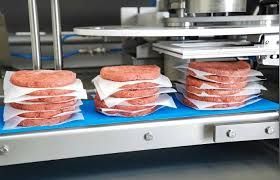
The formed pieces are then released onto a conveyor or collection surface. Depending on the production process, they may move to weighing, coating, chilling, cooking, freezing, or packaging stages.
A forming machine does not necessarily perform every stage of meat processing. Grinding, mixing, seasoning, cooking, and packaging are generally separate operations unless the equipment is integrated into a larger production system.
Common products made with meat forming equipment
Meat forming machines can handle different recipes and product formats, subject to the machine's design and approved operating range.
Patties: Flat, rounded portions commonly made from minced meat or prepared meat mixtures.
Meatballs: Rounded portions produced through moulding or portioning mechanisms.
Nuggets: Formed portions that may subsequently undergo coating and cooking.
Meat strips: Elongated portions produced by suitable extrusion or cutting arrangements.
Plant-based alternatives: Some machines can process non-meat mixtures when their materials, feeding mechanisms, and operating specifications support those formulations.
Importance
Meat forming machines are important in food manufacturing because they help control product dimensions, portion consistency, and production flow. When products have similar shapes and thicknesses, subsequent operations such as coating, cooking, cooling, and packaging can be easier to organize.
The equipment is relevant to meat-processing plants, prepared-food manufacturers, institutional food producers, and facilities supplying formed products to different distribution channels. The machine's design can influence how a mixture moves through the production line and how consistently individual portions are shaped.
Production consistency and process control
Manual shaping can result in differences in weight, thickness, and appearance, particularly when large quantities must be prepared. Automated portioning mechanisms can reduce some of these variations, although actual results depend on the mixture, machine settings, maintenance, and operating conditions.
Consistency also matters during later processing. For example, portions with similar thicknesses may heat more uniformly under comparable cooking conditions. However, shape alone does not establish that a product has reached a safe internal temperature.
Hygiene and food handling
Because meat mixtures can support the growth of harmful microorganisms under unsuitable conditions, hygiene is a central consideration in equipment design and operation. Food-contact surfaces must be suitable for their intended use, and the machine must be cleaned according to the applicable procedures.
Important design considerations include accessible surfaces, removable components where appropriate, suitable seals, and limited areas where food residue can accumulate. Equipment configuration should also allow operators to inspect parts that contact the mixture.
Factors affecting machine performance
Several factors influence how a meat forming machine performs:
Mixture texture: Excessively wet, dry, sticky, or coarse mixtures may affect feeding and shape retention.
Temperature: Meat mixtures must remain within the temperature limits established for the process and food-safety plan.
Portion settings: Mould dimensions, feed rates, and portioning adjustments affect product size.
Equipment condition: Worn moulds, damaged seals, or inconsistent feeding can affect product uniformity.
Operator control: Correct setup, monitoring, and cleaning help maintain stable operation.
Recent Updates
Recent developments in meat forming equipment have generally focused on automation, production monitoring, improved cleanability, and integration with other food-processing systems. These developments reflect broader changes in food manufacturing rather than a single universal technology introduced across the industry.
Automated forming and production integration
Modern production lines may combine forming machines with automatic conveyors, weighing systems, coating equipment, and downstream inspection devices. Integration can reduce the need for repeated manual transfers and make production stages easier to coordinate.
Some systems use programmable controls to adjust portion dimensions, forming pressure, or operating speed within specified limits. Recipe settings can support repeatability when product formulations change, although each recipe still needs suitable setup and verification.
Sensors and digital monitoring
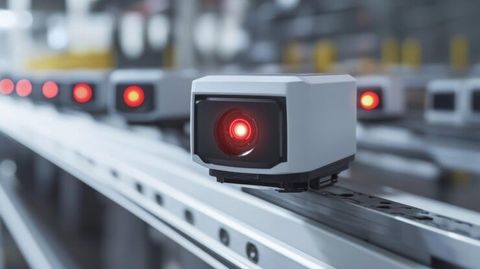
Sensors can monitor selected operating conditions, such as machine speed, motor load, temperature, or equipment status. Depending on the system, operators may receive alerts when a process parameter moves outside its configured range.
Digital monitoring can also help record production information and identify recurring interruptions. These functions do not automatically verify food safety or product quality; their usefulness depends on sensor suitability, calibration, data accuracy, and how operators respond to the information.
Design for cleaning and maintenance
Manufacturers increasingly consider cleaning access and component removal when developing food-processing equipment. Stainless steel is commonly used for many food-contact components because suitable grades can resist corrosion and tolerate established cleaning procedures.
The material alone does not make a machine hygienic. Surface finish, joint design, drainage, seals, cleaning methods, and the compatibility of components with detergents and sanitizing agents all affect cleanability.
Comparison of common forming technologies
| Forming technology | General operating principle | Typical applications |
|---|---|---|
| Mould-and-plate forming | Mixture is pressed into shaped cavities | Patties and uniform portions |
| Rotary forming | Rotating components form and release repeated portions | Continuous production of shaped products |
| Extrusion forming | Mixture is pushed through a shaped opening | Strips and elongated products |
| Drum forming | Shaped cavities on a rotating drum create portions | Selected high-throughput formed products |
| Manual or semi-automatic forming | Operators assist with feeding, shaping, or release | Smaller production runs and specialized products |
Actual output and product compatibility depend on the machine design, recipe, portion dimensions, and operating conditions.
Laws or Policies
Meat forming machines are affected by food-safety rules, machinery-safety requirements, and regulations governing food-contact materials. Requirements vary by jurisdiction and may depend on the type of food produced, the equipment's intended use, and the facility's activities.
Food businesses commonly need documented procedures for hygiene, contamination prevention, equipment maintenance, and safe handling of raw and processed ingredients. A forming machine is one part of this control system; its use does not replace sanitation procedures, temperature management, or other applicable food-safety measures.
Food hygiene and contamination prevention
Common food-hygiene principles include:
Separating raw materials from ready-to-eat products where required.
Preventing contamination through hands, tools, equipment, and surfaces.
Cleaning and sanitizing food-contact parts according to established procedures.
Maintaining suitable storage and processing temperatures.
Inspecting equipment for damaged surfaces, loose parts, and residue buildup.
Keeping records of relevant cleaning, maintenance, and process checks.
Hazard Analysis and Critical Control Point (HACCP) principles may be used to identify biological, chemical, and physical hazards and establish controls appropriate to the process. The specific controls depend on the product and production environment.
Machinery safety and food-contact materials
Machinery safety considerations include guarding moving parts, emergency stopping arrangements, electrical protection, and safe isolation of energy before cleaning or maintenance. Operators need procedures that address the particular hazards of the installed equipment.
Materials that contact food must be appropriate for their intended application and comply with applicable requirements. Equipment documentation should identify relevant material specifications, operating limitations, and cleaning instructions. Regulatory compliance cannot be determined from a machine's appearance alone.
Tools and Resources
Several practical resources help manufacturers and operators understand equipment capabilities, organize maintenance, and monitor production conditions.
Product specification sheets
Technical specification sheets describe forming methods, supported portion dimensions, operating ranges, electrical requirements, and compatible product types. These details help establish whether a machine is suitable for a particular mixture and production process.
Cleaning and maintenance checklists
A written checklist can organize routine inspections and record completed activities. It may include checks for mould wear, seals, guards, fasteners, conveyor condition, and visible food residue. Cleaning procedures should follow the equipment manufacturer's instructions and the facility's food-safety plan.
Production and quality records
Production records can track portion weights, dimensions, rejected pieces, line interruptions, and relevant process settings. When measurements are collected consistently, the information can help identify changes in equipment performance or mixture behavior.
Industry and regulatory resources
The Codex Alimentarius website provides internationally recognized food standards and general hygiene principles. The International Organization for Standardization publishes standards relating to food safety management and other technical subjects. National food-safety and workplace-safety authorities provide the applicable requirements for facilities operating in their jurisdictions.
FAQs
What is a meat forming machine used for?
A meat forming machine shapes prepared meat mixtures into repeatable portions, including patties, meatballs, nuggets, and selected elongated products. The specific applications depend on the forming mechanism and the characteristics of the mixture.
How does an automatic meat forming machine work?
An automatic meat forming machine feeds a prepared mixture into a portioning or moulding mechanism. The mechanism shapes and releases individual portions onto a conveyor or collection surface, where they can move to the next processing stage.
What are the main types of meat forming machines?
Common types include mould-and-plate systems, rotary forming machines, extrusion systems, and drum-based machines. Each uses a different mechanism to shape and release the mixture, so suitability depends on the intended product and production requirements.
What components are found in a meat forming machine?
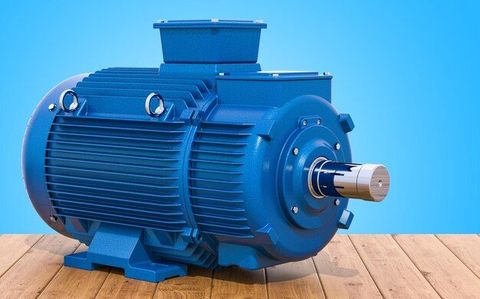
Common components include a feed hopper, feeding mechanism, forming mould or plate, portioning assembly, drive system, control panel, and discharge conveyor. The exact configuration varies according to the machine's design and level of automation.
How is hygiene maintained in meat forming equipment?
Hygiene depends on appropriate equipment design, correct cleaning and sanitizing procedures, suitable handling temperatures, and regular inspection. Food-contact components must be cleaned according to established instructions, with particular attention to areas where residue can accumulate.