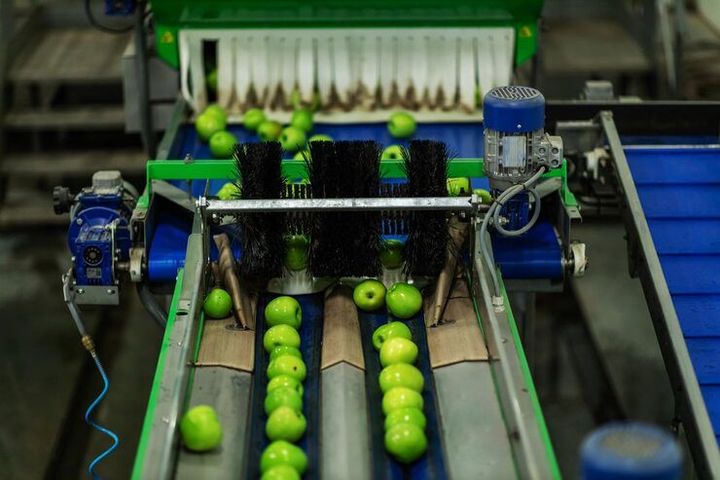
Fruit Sorting Machines Details: Sorting Methods, Features & Maintenance Explained
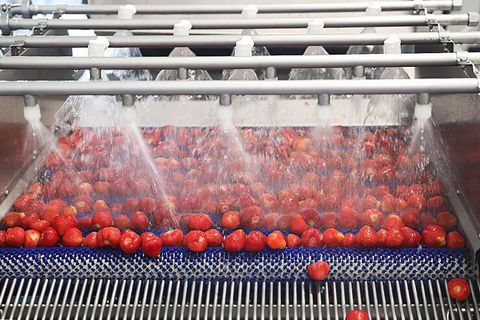
Fruit sorting machines are agricultural and food-processing systems designed to examine fruits and separate them according to characteristics such as size, weight, color, shape, surface condition, or visible defects. They are used after harvesting and handling stages to organize produce into consistent groups before packing, storage, processing, or distribution.
Context
Traditional fruit sorting often relied on manual inspection. Workers examined individual fruits and placed them into different categories according to visible characteristics. While manual sorting can still be used for smaller operations and specialized produce, mechanical and electronic systems have become more common as fruit handling processes have become more organized.
Modern fruit sorting machines can combine conveyors, rollers, weighing mechanisms, cameras, lighting systems, electronic controls, and sorting mechanisms. Depending on the machine design, produce may pass through several inspection stages before being directed into separate collection areas.
The basic purpose is not simply to move fruit from one location to another. A sorting system is intended to create a repeatable classification process while reducing unnecessary handling. The exact sorting method depends on the fruit type, production requirements, physical characteristics, and quality criteria being applied.
How fruit sorting works
A typical system begins with fruit entering a feeding or loading section. The produce is then spaced or oriented so that individual pieces can pass through the inspection area.
Sensors, cameras, scales, or other measurement components collect information. Software or control equipment compares the measurements with predefined sorting parameters and directs the fruit toward an appropriate outlet.
Common sorting factors include:
- Size or diameter
- Weight
- Color and color variation
- Shape
- Surface marks
- Visible bruising
- Foreign material
- External defects
Not every machine measures all of these characteristics. A simple system may sort mainly by size or weight, while a more advanced system may combine several measurements.
Importance
Fruit sorting affects several stages of post-harvest handling. Consistent classification can make it easier to organize produce into batches with similar physical characteristics and can help reduce the amount of manual handling required during processing.
Sorting is also relevant to packaging operations. When fruits with similar dimensions or characteristics are grouped together, packaging arrangements can become more consistent. This can be particularly useful where packaging specifications require relatively uniform pieces.
Problems addressed by sorting systems
Fresh fruit can vary considerably even when harvested from the same orchard, field, or production area. Differences in maturity, size, shape, color, and surface condition can make manual classification time-consuming.
A fruit sorting machine can address several practical challenges:
- Variation in size: Different fruit dimensions can be separated into defined size groups.
- Weight differences: Produce can be classified using measured weight ranges.
- Color variation: Optical systems can identify differences in visible color.
- Surface defects: Camera-based systems can identify certain visible marks and irregularities.
- Handling volume: Mechanical systems can process a continuous flow of produce, depending on their design.
- Classification consistency: Automated measurement can apply the same programmed criteria across a batch.
Sorting does not eliminate the need for appropriate fruit handling. Excessive mechanical contact, unsuitable conveyor speeds, or poorly adjusted transfer points can damage delicate produce.
Manual and automated sorting
Manual sorting depends heavily on human observation and physical handling. Automated sorting uses mechanical and electronic components to perform defined measurement and classification tasks.
| Sorting approach | Common measurement | Typical characteristic |
|---|---|---|
| Manual inspection | Visual appearance | Human observation and classification |
| Weight sorting | Mass | Uses scales or load cells |
| Size sorting | Diameter or dimensions | Uses rollers, openings, or sensors |
| Color sorting | Surface color | Uses cameras or optical sensors |
| Vision sorting | Visible characteristics | Uses cameras and image analysis |
| Combined sorting | Multiple properties | Integrates several measurement methods |
These categories can overlap. For example, an automated fruit sorting machine may use both cameras and weight measurements in the same production line.
Recent Updates
Recent developments in fruit sorting have focused on machine vision, improved sensors, data processing, automation, and more precise handling. The general direction of the industry has been toward systems that can examine several characteristics without requiring every fruit to be manually inspected.
Machine vision and image analysis
Machine vision systems use cameras and controlled lighting to capture images of produce as it moves through an inspection area. Software can then analyze characteristics such as color distribution, shape, size, and certain visible surface defects.
Advances in image processing and artificial intelligence have also influenced automated agricultural inspection. Research and commercial development increasingly explore computer-vision techniques for identifying fruit characteristics and quality attributes.
However, vision systems have practical limitations. Lighting conditions, fruit orientation, surface moisture, dirt, overlapping produce, and unusual natural variations can affect image interpretation. Performance therefore depends on the complete inspection setup rather than the camera alone.
Data and automation
Modern sorting equipment may record measurements and production information during operation. Depending on the system, operators may be able to view throughput information, sorting categories, error notifications, or equipment status through a control interface.
Connectivity can also allow equipment data to be integrated into wider production systems. Such integration can help operators understand how a sorting line is performing and identify maintenance requirements.
Gentle fruit handling
Another area of development involves reducing unnecessary impact on delicate produce. Conveyor surfaces, rollers, transfer mechanisms, cushioning materials, and controlled movement can influence the likelihood of bruising or surface damage.
The appropriate handling method varies by fruit. A system designed for relatively firm produce may not be appropriate for softer varieties without changes to speed, contact surfaces, or transfer mechanisms.
Laws or Policies
Fruit sorting machines operate within several regulatory areas, including food safety, worker protection, electrical safety, machinery operation, and agricultural handling. Requirements differ according to the country, application, machine configuration, and location where the equipment is operated.
Food-contact materials can be subject to requirements concerning hygiene and suitability for contact with food. Components that directly contact fruit may therefore need to meet applicable material and sanitation requirements.
Machinery regulations can also address guarding, emergency stops, electrical systems, moving components, operator access, and other safety considerations. These requirements are intended to reduce risks associated with conveyors, rotating parts, electrical equipment, and automated mechanisms.
In India, food-processing activities are overseen through the applicable food-safety framework administered by the Food Safety and Standards Authority of India. The framework includes requirements relevant to food businesses, hygiene, and food-contact conditions. Machinery operators and businesses may also need to consider applicable workplace, electrical, environmental, and local regulatory requirements.
Because requirements vary by application and jurisdiction, regulatory information should be checked against the current rules applicable to the specific facility rather than relying on a general machine description.
Tools and Resources
Several tools and reference materials can help with understanding, operating, and maintaining fruit sorting machines.
Machine manuals
The equipment manual is an important reference for operating procedures, adjustment ranges, cleaning instructions, lubrication requirements, component identification, and troubleshooting information.
Different sorting systems can use substantially different mechanisms. Maintenance intervals and adjustment procedures should therefore be based on the documentation applicable to the particular machine.
Maintenance checklists
A maintenance checklist can organize routine inspection activities. Common checklist categories include:
- Conveyor and roller condition
- Belts and drive components
- Bearings and moving parts
- Camera lenses and protective covers
- Lighting components
- Sensors and connections
- Emergency-stop mechanisms
- Guards and access panels
- Cleaning and sanitation
- Software or control-system notifications
The frequency of each inspection depends on operating conditions, machine design, and manufacturer instructions.
Calibration and measurement tools
Weight-based sorting systems may require periodic checking of scales or load cells. Optical systems may require inspection of cameras, lighting, positioning, and reference settings.
Calibration procedures should follow the equipment documentation and applicable measurement requirements. A machine that is mechanically clean can still produce inconsistent classification if its measurement components are incorrectly adjusted.
Digital monitoring systems
Some automated sorting lines include control panels or software that records operating information. These systems can help operators review machine status, production information, and detected faults.
Data should be interpreted carefully because a recorded measurement describes the machine's classification process rather than providing a complete assessment of fruit quality.
FAQs
What is a fruit sorting machine?
A fruit sorting machine is equipment that separates fruit into groups according to characteristics such as size, weight, color, shape, or visible defects. Different machines use different combinations of mechanical and electronic measurement methods.
How does a fruit sorting machine sort different sizes?
Size-based fruit sorting machines can use rollers, openings, mechanical dimensions, cameras, or other sensors to estimate or measure fruit size. The machine then directs fruit into different categories according to programmed or mechanically defined ranges.
Are fruit sorting machines accurate?
The consistency of a sorting machine depends on its design, calibration, fruit characteristics, operating conditions, and measurement method. Camera-based systems can also be affected by lighting, surface moisture, fruit orientation, and other environmental factors.
What maintenance does a fruit sorting machine require?
Routine maintenance can include cleaning, inspection of conveyors and rollers, checking sensors and cameras, examining moving components, verifying safety mechanisms, and following specified lubrication or calibration procedures. The exact schedule depends on the machine and operating environment.
Can machine vision be used for fruit sorting?
Yes. Machine vision can be used to examine characteristics such as color, shape, size, and certain visible surface conditions. Its effectiveness depends on camera quality, lighting, image-processing methods, fruit presentation, and the characteristics being measured.
Conclusion
Fruit sorting machines combine mechanical handling and measurement technologies to classify produce according to characteristics such as size, weight, color, shape, and visible defects. Modern systems increasingly incorporate machine vision, electronic sensors, automated controls, and production data. Proper maintenance includes cleaning, inspection, calibration, and attention to moving and sensing components. Regulatory requirements can also apply to food hygiene, machinery safety, electrical systems, and food-contact materials depending on the operating environment.