Coffee Roasting Machines Guide: Types, Features, Roasting Methods and Equipment Selection
Coffee roasting machines are equipment designed to heat green coffee beans and transform their physical and chemical characteristics through controlled roasting. Green coffee beans contain moisture and organic compounds that change as temperature rises, producing the color, aroma, flavor, and texture associated with roasted coffee.
Context
Coffee roasting machines are equipment designed to heat green coffee beans and transform their physical and chemical characteristics through controlled roasting. Green coffee beans contain moisture and organic compounds that change as temperature rises, producing the color, aroma, flavor, and texture associated with roasted coffee.
Coffee roasting has existed for centuries, initially using simple pans, metal containers, and rotating roasting vessels. As coffee production expanded, dedicated roasting equipment was developed to provide more consistent heating, better control, and larger processing capacity.
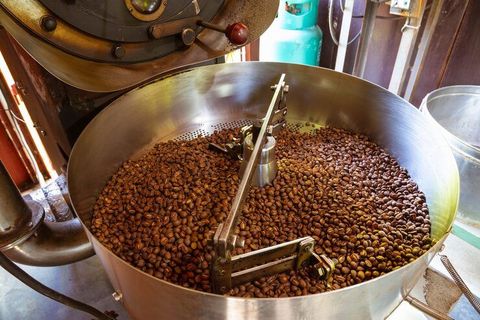
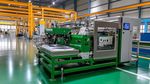
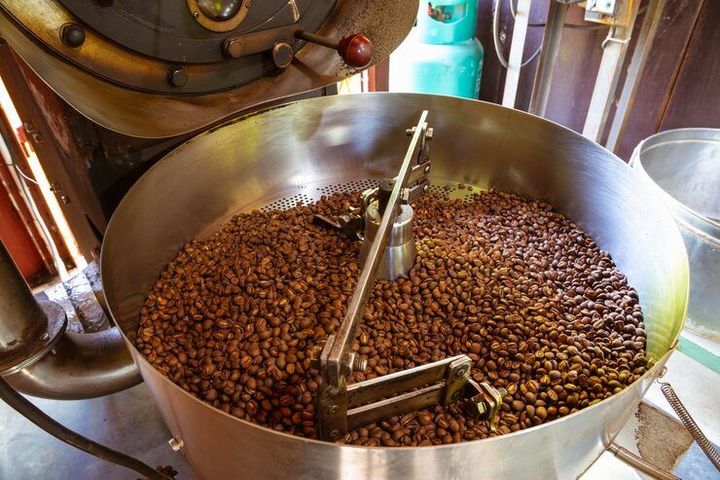
Modern coffee roasting machines range from small countertop units to large industrial systems. Although their construction varies, most roasting equipment includes a roasting chamber, heat source, airflow controls, bean movement mechanisms, temperature measurement systems, and a cooling arrangement.
A commercial coffee roaster may use gas, electricity, or another heating method. The machine's design determines how heat reaches the beans and how quickly temperature and airflow can be adjusted during a roast.
Understanding the roasting process
Roasting generally progresses through several observable stages. Green beans are first heated, causing moisture to evaporate. As the beans become hotter, their color changes and chemical reactions create new aromatic compounds.
The first crack is an important point during roasting. It occurs when pressure created inside the beans causes audible cracking sounds. Roasting can continue beyond this stage depending on the desired roast profile.
After roasting, the beans need to be cooled relatively quickly to slow further heat-driven changes. Many coffee roasting machines therefore include a dedicated cooling tray or cooling chamber.
Importance
The roasting process has a major influence on the characteristics of coffee. Temperature, time, airflow, heat application, bean quantity, and cooling can all affect the resulting roast.
For coffee producers, cafés, specialty roasters, and other businesses involved in coffee preparation, understanding roasting equipment helps explain how different machines support different production requirements.
Why machine design matters
A coffee roasting machine needs to transfer heat to the beans while allowing the operator or control system to manage the roasting environment. Poorly controlled heat or airflow can produce uneven roasting, while excessive heat can accelerate changes that may not suit the intended roast profile.
Modern equipment can provide temperature sensors, programmable controls, airflow adjustment, data recording, and automated roast profiles. These functions allow operators to monitor the process and compare batches more systematically.
Common equipment categories
| Machine type | Heat transfer approach | Typical characteristic |
|---|---|---|
| Drum roaster | Heated rotating drum and hot air | Controlled, gradual roasting |
| Fluid-bed roaster | Hot air moves beans through the chamber | Strong airflow and rapid heat transfer |
| Hot-air roaster | Heated air surrounds the beans | Air-based roasting environment |
| Electric roaster | Electrical heating elements | Electrically generated heat |
| Gas roaster | Gas burner provides heat | Direct or indirect gas heating |
| Sample roaster | Small-scale controlled roasting | Evaluation of small quantities |
These categories can overlap. For example, a drum roaster may use either gas or electrical heating, while different commercial coffee roasters can use different combinations of direct heat, convection, and conductive heat transfer.
Recent Updates
Coffee roasting equipment has increasingly incorporated digital controls, sensors, automated profiling, and data recording. These developments allow roasting parameters to be monitored more closely than with purely manual systems.
Modern machines may record bean temperature, environmental temperature, airflow, heating power, roast duration, and other variables. Software can then help operators compare roasting profiles across different batches.
Automation and roast profiling
Automated roasting systems can follow programmed temperature or time-based profiles. Some equipment can adjust heating and airflow according to predefined parameters, while operators can monitor the roast through a digital interface.
Automation does not eliminate the need for appropriate calibration and process knowledge. Sensors can drift, environmental conditions can change, and different green coffee lots can respond differently to the same roasting profile.
Energy and emissions considerations
Energy consumption and emissions have also become more important areas of equipment development. Roasters can incorporate improved heat recovery, insulation, airflow management, and exhaust treatment systems.
Some modern commercial coffee roasting equipment is designed to recover heat from exhaust gases or reduce the amount of energy required to maintain roasting temperatures. The actual environmental performance depends on machine design, fuel source, operating conditions, maintenance, and production volume.
Smaller and digitally connected machines
Compact coffee roasting machines increasingly include digital temperature controls and profile management. This has expanded the range of equipment available for small production environments, training, research, and specialty coffee development.
Connected equipment can also make it easier to store roast profiles and production records. However, connectivity is a monitoring feature rather than a substitute for understanding the physical roasting process.
Laws or Policies
Coffee roasting machines are subject to different regulations depending on where they are manufactured, installed, and operated. Requirements may cover electrical safety, gas systems, ventilation, workplace safety, emissions, fire prevention, pressure-related components, and food-production environments.
The exact requirements vary by jurisdiction. A machine using gas heating may be subject to different installation requirements from an electrically heated machine.
Food and workplace considerations
Coffee roasting takes place in an environment involving high temperatures, combustible materials, dust, smoke, and exhaust gases. Appropriate ventilation and exhaust management are therefore important considerations.
Commercial facilities may also need to comply with workplace safety requirements covering heat exposure, electrical equipment, moving components, gas systems, fire prevention, and emergency procedures.
Where coffee roasting equipment is integrated into a food-production environment, applicable food hygiene and facility requirements may also apply. These rules generally concern the surrounding production environment rather than the roasting profile itself.
Emissions and exhaust
Roasting generates smoke and gases as organic compounds are transformed during heating. Larger roasting installations may therefore require exhaust treatment or emission-control equipment depending on applicable local requirements.
Because regulatory requirements vary, manufacturers, installers, and facility operators generally need to consult the relevant authorities and applicable technical standards before installing commercial roasting equipment.
Tools and Resources
Several tools can help people understand coffee roasting and evaluate roasting processes without relying solely on the machine itself.
Roast profile records
A roast profile records important variables during a batch. A basic record can include:
- Green coffee origin or lot identification
- Batch weight
- Starting temperature
- Charge temperature
- Turning point
- First crack
- Total roasting time
- Development period
- Cooling time
- Final bean temperature
Keeping these records makes it easier to compare batches and identify changes in the process.
Temperature measurement tools
Temperature probes are commonly used to monitor the roasting environment and bean temperature. Some machines include multiple sensors, while smaller machines may provide fewer measurement points.
The location and calibration of a temperature sensor can affect the reading. For this reason, temperature values from two different roasting machines should not automatically be treated as directly equivalent.
Roast analysis software
Roast-analysis platforms can display temperature curves and other roasting data. They may allow users to compare profiles, annotate important events, and store historical batches.
A roast curve can help illustrate how temperature changes over time. However, the curve represents measurements from a particular machine and sensor configuration, so it should be interpreted alongside the physical characteristics of the roast.
Equipment specifications
When examining a commercial coffee roaster, relevant specifications can include:
- Batch capacity
- Heating method
- Airflow control
- Temperature sensors
- Cooling system
- Exhaust arrangement
- Control system
- Energy source
- Installation requirements
- Maintenance access
Capacity alone does not describe the complete operating characteristics of a roasting machine. Heating response, airflow, control range, cooling performance, and exhaust design can also influence how the equipment is used.
FAQs
What are coffee roasting machines?
Coffee roasting machines are equipment used to heat green coffee beans under controlled conditions. They regulate factors such as temperature, airflow, bean movement, and roasting time to produce a particular roast profile.
What are the main types of coffee roasting machines?
Common types include drum roasters, fluid-bed roasters, hot-air roasters, electric roasters, gas roasters, and small sample roasters. Some machines combine characteristics from more than one category.
How does a commercial coffee roaster work?
A commercial coffee roaster heats green coffee beans while controlling temperature and airflow. The beans move through a roasting chamber, undergo physical and chemical changes, and are transferred to a cooling system after roasting.
What features should a coffee roasting machine have?
Important features can include accurate temperature measurement, controllable airflow, appropriate heating control, bean agitation, cooling capability, exhaust management, and roast-profile recording. The relevance of each feature depends on the intended production process.
What is the difference between drum and fluid-bed coffee roasters?
Drum roasters generally rotate beans inside a heated drum, combining contact with the heated surface and hot air. Fluid-bed roasters use a strong stream of heated air to suspend and move the beans, creating a predominantly air-based roasting environment.
Conclusion
Coffee roasting machines transform green coffee beans through controlled application of heat, airflow, and time. Drum, fluid-bed, gas, electric, and other roasting systems use different approaches to heat transfer and process control. Recent equipment developments have focused on digital monitoring, roast profiling, automation, energy management, and exhaust treatment. Understanding machine design, roasting methods, measurement tools, and applicable operating requirements provides a foundation for evaluating how different equipment fits a particular roasting process.