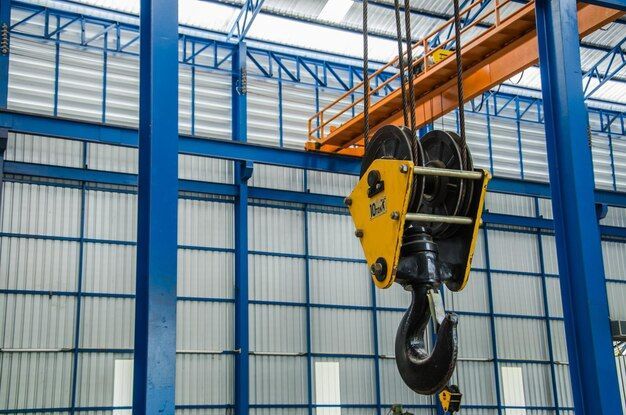
Lifting Equipment Guide: Cranes, Hoists, Lifting Systems, Applications and Material Handling
Lifting equipment refers to machinery and systems designed to raise, lower, position, or move loads. It includes cranes, hoists, lifting systems, winches, lifting accessories, and related material handling equipment used across construction, manufacturing, warehouses, ports, workshops, infrastructure projects, and other industrial environments.
Context
Lifting equipment refers to machinery and systems designed to raise, lower, position, or move loads. It includes cranes, hoists, lifting systems, winches, lifting accessories, and related material handling equipment used across construction, manufacturing, warehouses, ports, workshops, infrastructure projects, and other industrial environments.
The basic purpose of lifting equipment is to move loads that are too heavy, large, awkward, or difficult to handle manually. Early lifting methods relied on simple mechanical principles such as levers, pulleys, ropes, and winches. Modern equipment combines these principles with electric motors, hydraulic systems, mechanical controls, sensors, brakes, and structural components.
Cranes and hoists are two major categories within this field. A crane generally provides both vertical lifting and horizontal movement, while a hoist primarily raises and lowers a load. The equipment selected depends on the load, lifting height, movement required, operating environment, and frequency of use.
Main categories of lifting equipment
Different equipment types are designed around different movement requirements.
- Overhead cranes move loads along elevated runways and are commonly used inside industrial buildings.
- Gantry cranes use supporting legs and can operate over work areas or open spaces.
- Mobile cranes are mounted on vehicles or mobile platforms and can be relocated between work areas.
- Tower cranes provide vertical and horizontal movement for construction activities.
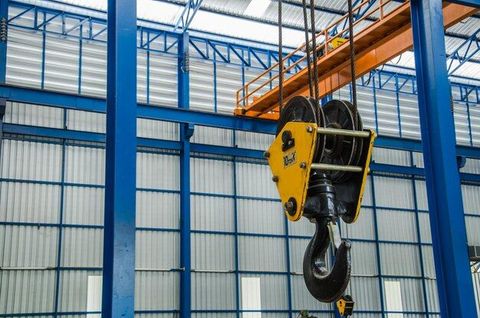
- Hoists raise and lower loads using wire rope, chain, or other lifting mechanisms.
- Winches pull or position loads using a wound cable or rope.
- Lifting accessories include slings, shackles, hooks, spreader beams, and other components that connect a load to lifting equipment.
Importance
Lifting equipment plays an important role in material handling because many industrial and construction tasks involve loads that cannot be safely moved by people alone. The equipment can provide controlled movement and allow materials to be positioned at different heights or locations.
The subject affects equipment operators, maintenance personnel, engineers, warehouse workers, construction teams, manufacturers, and organizations responsible for managing lifting operations.
Supporting material handling
Material handling involves moving, storing, protecting, and positioning materials during production, construction, distribution, and other activities. Lifting equipment forms one part of this broader process.
For example, an overhead crane may move a steel component between workstations, while a hoist can raise a machine component for positioning. A gantry crane can move materials across an outdoor work area, while a mobile crane can handle loads at changing project locations.
Understanding capacity
Every lifting system has defined operating limits. These limits may relate to load capacity, lifting height, operating radius, structural configuration, speed, environmental conditions, or the capacity of individual components.
A basic load assessment may therefore consider:
- Weight of the load
- Load dimensions and center of gravity
- Required lifting height
- Horizontal travel distance
- Lifting and lowering speed
- Operating environment
- Lifting accessories and their rated capacities
- Ground or supporting-structure conditions
| Equipment | Typical movement | Common application |
|---|---|---|
| Overhead crane | Vertical and horizontal | Factory material handling |
| Gantry crane | Vertical and horizontal | Yards and large work areas |
| Mobile crane | Vertical and horizontal | Construction and field operations |
| Tower crane | Vertical and horizontal | Building construction |
| Chain hoist | Mainly vertical | Workshops and maintenance |
| Wire-rope hoist | Vertical with travel options | Industrial lifting |
| Winch | Pulling or positioning | Material movement and recovery |
Why load control matters
A suspended load can move unexpectedly because of wind, acceleration, uneven loading, incorrect rigging, or changes in the load's center of gravity. Proper planning therefore involves more than selecting equipment with a suitable rated capacity.
Lifting accessories also form part of the lifting system. A crane with adequate capacity does not make an incorrectly selected sling, hook, or shackle suitable for the same load.
Recent Updates
From 2024 through 2026, lifting equipment development has increasingly focused on automation, monitoring, energy efficiency, digital controls, and condition-based maintenance. These developments are changing how equipment is operated and how information about lifting operations is collected.
Modern cranes may incorporate sensors that monitor parameters such as load, movement, position, motor condition, or operating cycles. Digital monitoring can help operators and maintenance teams identify equipment conditions that require attention.
Automation and remote operation
Automation is becoming more common in controlled industrial environments. Automated cranes can perform programmed movements, positioning, and material-transfer tasks with reduced manual input.
Remote-control systems can also allow operators to control some equipment from a position away from the suspended load. The suitability of automation depends on the application, equipment configuration, site conditions, and applicable safety requirements.
Electrification and energy efficiency
Electric lifting equipment is increasingly being used in environments where electrically powered systems are appropriate. Variable-speed drives and regenerative technologies can also influence how lifting motors use and recover energy.
Battery-powered equipment is another area of development, particularly for applications where reducing emissions or avoiding fixed electrical connections is relevant. These technologies do not remove the need for appropriate capacity calculations, inspection, maintenance, and operator training.
Digital maintenance records
Digital inspection and maintenance records are also becoming more common. Instead of relying entirely on paper records, organizations may use software to track inspection dates, equipment identification, operating hours, maintenance activities, and component history.
This can make documentation easier to organize, although the underlying inspection process still needs to follow applicable requirements.
Laws or Policies
Lifting equipment is subject to occupational safety, machinery, engineering, and workplace regulations in many jurisdictions. The specific legal requirements depend on the country, equipment type, workplace, industry, and operating conditions.
Common regulatory requirements can address equipment design, rated capacity, inspection, testing, maintenance, operator competence, lifting accessories, and workplace procedures.
International standards are also used as technical references. Standards from organizations such as ISO, ASME, and other recognized standards bodies cover different aspects of cranes, hoists, lifting accessories, inspection, and safe operation. The applicable standard depends on the equipment and jurisdiction.
Inspection and documentation
Organizations operating lifting equipment may need documented procedures covering equipment identification, inspection intervals, examination records, maintenance, and corrective actions.
Typical records can include:
- Equipment identification and specifications
- Rated load information
- Inspection and examination records
- Maintenance history
- Repairs or component replacement
- Operator or user training records
- Lifting plans where applicable
- Records for lifting accessories
Legal requirements can change, so organizations should refer to the current rules issued by the relevant occupational safety or machinery authority in their jurisdiction.
Tools and Resources
Several tools and resources can support lifting-equipment planning, inspection, and general understanding. These resources do not replace engineering assessment or required workplace procedures.
Load calculators
Load calculators can help organize basic calculations involving load weight, lifting geometry, sling angles, and related parameters. However, calculations involving complex loads or critical lifting operations may require qualified engineering assessment.
Manufacturer documentation
Technical manuals, rated-capacity charts, installation instructions, inspection procedures, and maintenance documentation provide equipment-specific information. The information can vary considerably between crane and hoist designs.
Standards and regulatory databases
Standards organizations and occupational safety authorities publish technical requirements and guidance relating to lifting equipment. These resources can help organizations understand applicable terminology, inspection expectations, and operational requirements.
Inspection checklists
A lifting-equipment checklist may contain items such as:
- Hooks and latches
- Wire ropes or chains
- Brakes
- Controls
- Structural components
- Limit devices
- Slings and shackles
- Warning labels
- Unusual sounds or movement
- Evidence of damage or excessive wear
The exact checklist should correspond to the equipment type and applicable requirements.
FAQs
What is lifting equipment?
Lifting equipment includes cranes, hoists, winches, lifting systems, and associated accessories used to raise, lower, position, or move loads. The equipment can be used in manufacturing, construction, warehouses, workshops, and other material-handling environments.
What is the difference between a crane and a hoist?
A crane generally combines vertical lifting with horizontal movement, while a hoist is primarily designed to raise and lower loads. A hoist can also be installed as a component of an overhead crane or other lifting system.
What are the main types of lifting systems?
Common lifting systems include overhead cranes, gantry cranes, mobile cranes, tower cranes, chain hoists, wire-rope hoists, and winches. Their configurations differ according to load requirements, movement, lifting height, and operating environment.
How is lifting equipment capacity determined?
Capacity depends on the equipment design and configuration, along with factors such as load weight, lifting geometry, working radius, supporting structure, and lifting accessories. The rated-capacity information supplied for the specific equipment should be used rather than relying on a general estimate.
Why are lifting accessories important in material handling?
Slings, hooks, shackles, spreader beams, and related accessories connect a load to the lifting equipment. Their capacity, condition, configuration, and compatibility with the load can affect the overall lifting arrangement.
Conclusion
Lifting equipment encompasses cranes, hoists, winches, lifting systems, and accessories used to move and position materials in many working environments. Selecting and operating these systems involves consideration of load characteristics, equipment capacity, movement requirements, supporting structures, inspection, and applicable rules. Recent developments include greater use of sensors, automation, digital monitoring, electrification, and electronic maintenance records. Understanding the complete lifting system, rather than considering the crane or hoist alone, is important when examining material-handling operations.